1. Integrating Formal and Non-Formal Learning
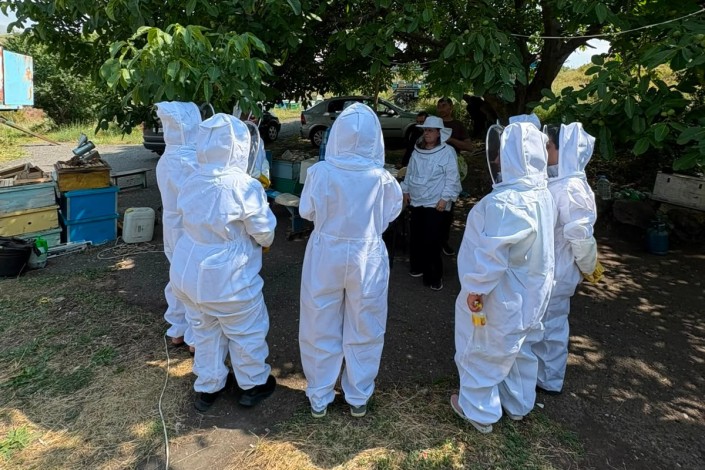
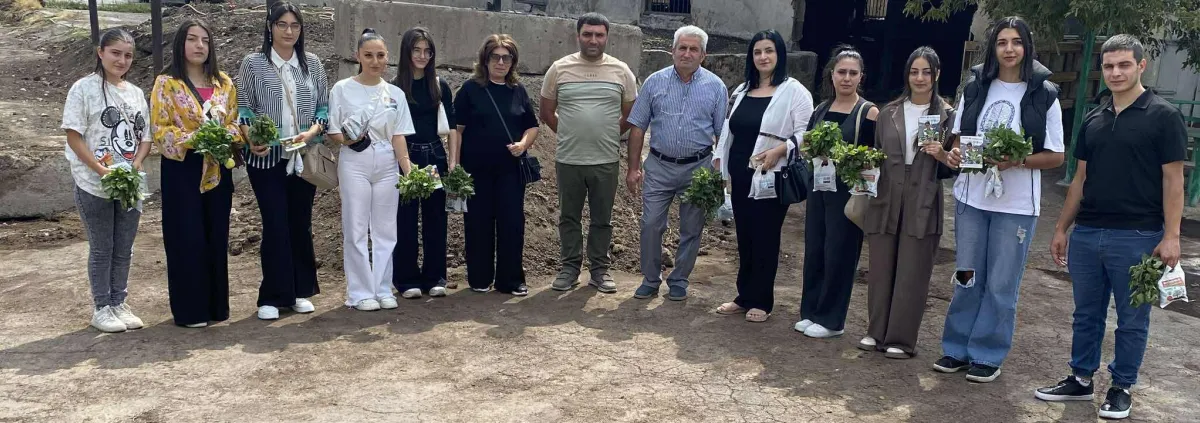
This learning practice aims to support the development of rural youth by combining formal and non-formal education. My students are mostly young people from villages who manage small farms, with responsibilities including livestock care, land cultivation, and other agricultural tasks. By combining their daily practical experience with theoretical knowledge, they gain a deeper understanding of sustainable agriculture principles and green solutions. The practice is innovative because it goes beyond traditional classroom teaching, involving students in real-life practical activities such as community projects, ecological initiatives, and the operations of local NGOs. I am not only a lecturer but also lead a local NGO focused on promoting sustainable community development and green solutions, allowing students to acquire not only theoretical knowledge but also practical skills, responsibility, collaboration, and active engagement.
2. Developing Professional, Ecological and Civic Competences
The integration of this practice is based on several key competence areas, including professional skills, ecological knowledge, and civic and social competences. Students develop critical thinking, learn about their rights, engage in solving community issues, and acquire leadership skills. The teaching process combines theoretical lessons and practical exercises with community activities, discussions, involvement in local projects, and non-formal learning activities such as discussion groups, educational games, and training camps. This approach enables students to immediately apply their knowledge in real-life situations and see the results of their efforts within their communities.
3. Impact, Outcomes and Replicability
The outcomes are multi-layered. Students become well-equipped farmers with professional skills who understand the importance of sustainable and green agriculture, while also becoming socially active citizens who are aware of their role in the community, demonstrate social responsibility, and are capable of leading small groups or community initiatives. One parent even commented: “You have not only raised a good farmer but also a future spouse who respects women’s rights, loves nature, and cares about their community.” The innovativeness, impact, and replicability of this practice make it applicable to other rural communities where students manage small farms and need to be prepared not only as skilled farmers but also as advocates for green agriculture and community development. By integrating theoretical, practical, and social aspects of learning, the approach provides a comprehensive and practically relevant education.
Innovator: Anahit Tovmasyan - Nor Geghi State Agricultural College