The Challenge Addressed
The practice addresses the persistent discrimination mothers face when (re)accessing employment in the European labour market.
MOVE-UP responds by framing motherhood as a meaningful informal learning experience, enabling mothers to identify, assess and make visible the transversal competences developed through parenting and relevant in the workplaces.
Why the Practice is Innovative
The practice is innovative because it combines competence recognition, empowerment, bias awareness and tailored self-assessment into a single integrated pathway specifically designed for unemployed mothers with low qualifications.
Starting from their parenting experience, the practice uses evidence-based self-assessment tools to make visible the Personal, Social and Learning-to-Learn (PSL) competence mothers practice daily.
By reversing the mainstream narrative and challenging internalised stigma, the practice activates mothers’ confidence, self-awareness and readiness to re-enter education, training and work.
Type of Integration and Key Competences
The integration of EU key competences is at the core of the practice.
The PSL competence serves as the main entry point and acts as enabler for the activation of basic skills—literacy, numeracy, digital competence and financial awareness—which are progressively identified through tailored narrative and self-assessment tools according to each woman’s learning needs.
Citizenship competence naturally emerges through reflection on gender equality and stereotypes.
In combination, these competences form a holistic and integrated competence profile that enhances women’s self-esteem, employability and engagement in lifelong learning pathways.
Role of the Teacher/Trainer
Trainers and guidance professionals act as facilitators, guiding mothers through the self-assessment process, supporting reflection, ensuring accessible language, and creating a safe, non-judgmental space where women can share experiences.
Practitioners help mothers identify strengths, areas of improvement and connect them to potential learning pathways and labour-market opportunities.
Type of Learning Activities
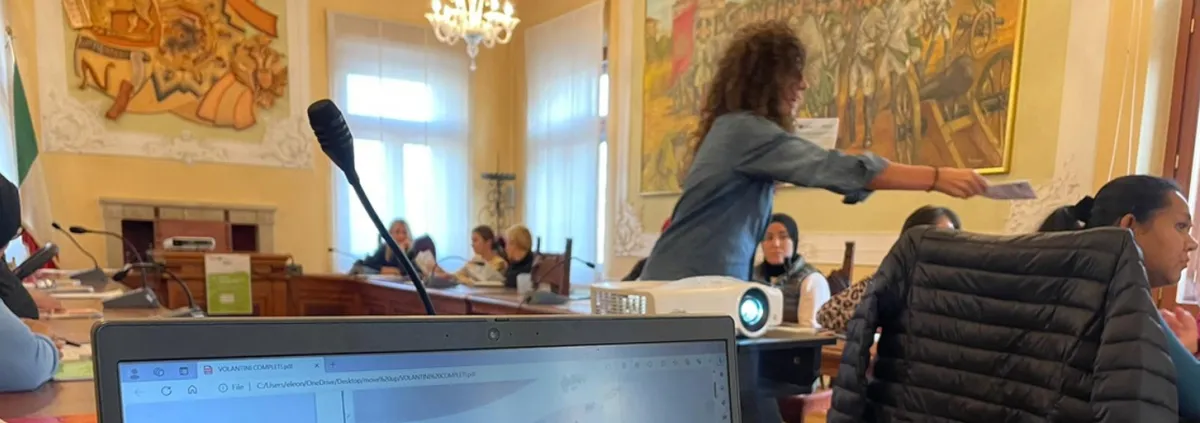
The practice consists of three main learning activities, which can be delivered in individual or group settings:
1. Introduction and awareness-raising, including exploration of competence concepts, discussion of motherhood as learning experience, and reflection on stereotypes.
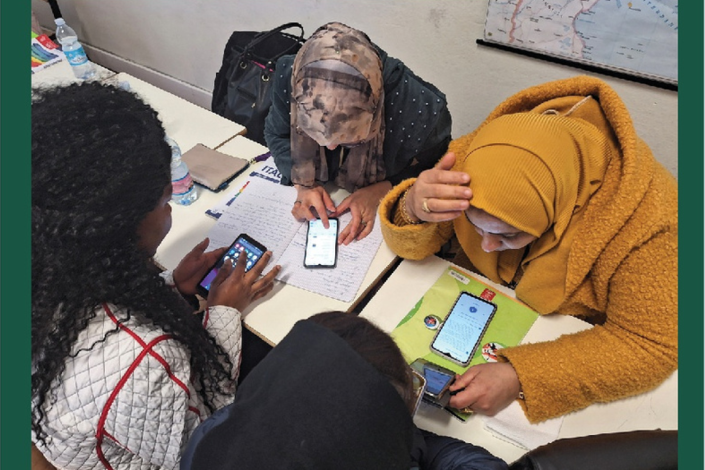
2. Individual self-assessment – mothers engage in storytelling-based reflection. Using narrative tools such as the Competence Cards for Immigration Counselling (Bertelsmann Stiftung, 2016), they select cards that resonate with their lived experience and describe concrete situations where they demonstrated these abilities.
Practitioners help them link these stories to PSL competence and, when relevant, to elements of literacy, numeracy and digital skills.
This method removes linguistic and academic barriers and allows competences to emerge naturally through real-life examples, empowering mothers to value informal learning for competences development.
3. Feedback and empowerment, through personalised competence profiles, reflection and guidance on next steps in learning or employment.
Impact of the Practice
The practice has demonstrated significant impact: participants report increased confidence, self-awareness of their competences, motivation to re-engage in learning, and a stronger sense of empowerment, often describing the feeling of “being seen for the first time”.
The process also raises awareness of gender bias and reframes motherhood as a source of value.
Potential for Replication
The practice was developed within the MOVE-UP Erasmus+ Forward Looking Cooperation project www.motherhoodskills.eu, by designing and testing with 130 mothers in four countries a structured model that includes tool mapping, a shared methodology and flexible delivery procedures.
This is allowing practice’s adaptability to other contexts and target groups, as well as replicability.
Innovator: Chiara Marchetta - FORMA.Azione srl