
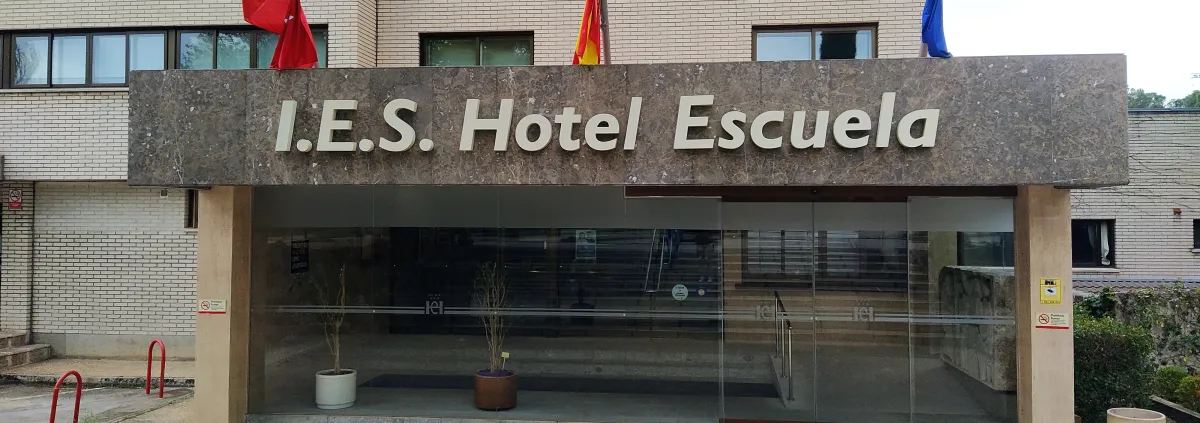
IES Hotel Escuela de la Comunidad de Madrid stands as a pivotal institution in the landscape of Spanish vocational education, recognized officially as a Public Center of Excellence in Vocational Training. This designation is a testament to its unique educational philosophy, which perfectly integrates rigorous academic study with immediate, high-stakes professional practice, specialized in Catering, Hospitality, Tourism, Food Service Industries, Agriculture and Personal Image.
The fundamental mission of the IES Hotel Escuela is encapsulated in its commitment to the full labor insertion of its graduates. The educational project is designed not around simulation, but around authenticity. It treats the academic environment as a functioning business, ensuring that students’ theoretical learning is tested and refined daily against the unpredictable demands of real clients and operational commercial facilities. This direct exposure to commercial realities is the philosophical cornerstone that elevates its training far beyond standard classroom instruction. This pursuit of excellence is validated by the center’s implementation of the European Foundation for Quality Management (EFQM) system, a commitment that has earned the institution the prestigious European Diploma of Excellence—a rare acknowledgment in public vocational training. This framework ensures continuous improvement across all educational and operational processes, from curriculum design to environmental sustainability and corporate social responsibility within the educational context.
The defining feature of the IES Hotel Escuela is the seamless fusion of its educational facility with a completely functional commercial enterprise—the Hotel Escuela. This structure transforms the traditional learning experience into a dynamic, pressurized, and highly rewarding professional initiation. The school does not simply offer theoretical classes followed by occasional practical sessions; instead, it establishes a high-stakes, real-time environment where the service provided to the public dictates the learning pace and quality standards.
The campus is essentially a comprehensive complex designed for practical application:
-
Operational Hotel: The facility includes a full-service hotel component featuring 65 rooms and suites as well as 6 conference rooms equipped with the trendiest technology. Students pursuing the diploma in Tourist Accommodation Management are responsible for every aspect of hotel operations: managing front-desk administration, handling reservations, and yield management, conducting complex check-in and check-out procedures, and overseeing housekeeping and maintenance protocols. The daily interaction with guests provides immediate feedback on service quality and managerial decisions.
-
Gastronomic Spaces: The school operates a full-service restaurant, a sophisticated cafeteria, and specialized catering facilities. Students in Kitchen Management, Catering Services Management, Cookery and Gastronomy, Catering Services and Bakery, Pastry and Confectionery manage the entire food and beverage lifecycle. This includes detailed cost control analysis, supplier management, menu engineering to optimize profit and variety, food preparation in dedicated hot and cold kitchens, and the polished execution of high-level table service in the dining room. Specialized practical classrooms include the Pastry Workshop and the Tasting Room, allowing for focused training in advanced techniques and sensorial analysis.
-
Specialized Garden Facilities: The school also features a nursery garden. This resource is directly utilized by students enrolled in Gardening & Floristry, allowing them to gain practical expertise in plant propagation, cultivation techniques, landscape maintenance, and specialized floral arrangement. This complements the needs of the hotel and restaurant, ensuring students understand the aesthetic and environmental aspects of hospitality design.
-
Wellness and Image: The integration of services extends to personal image. Students in the Beauty Therapy utilize dedicated, professional beauty rooms and a gym, where they offer aesthetic treatments, massage services, and beauty consultations to the public. This reflects the increasing integration of wellness into modern tourism and hotel offerings.
-
Tourism and Information Services: Supporting the extensive tourism curriculum, the center operates an accessible Tourist Information Office. This office functions as a real-world setting where students in Tourist Guide, Information & Assistance plus the double diploma in Tourist Guide, Information & Assistance and Travel Agencies and Events Management practice customer service, itinerary planning, providing local information, and managing complex travel inquiries for the public. This facility is indispensable for training students in real-time information dissemination and client-facing assistance, essential skills for employment in tourism boards or travel agencies.
Website: www.ieshotelescuela.com

Please log in or sign up to comment.