
Back to main finalists page
An AI-enhanced active learning platform that transforms everyday environments into engaging, real-world learning spaces for learners of all ages
What if the best classroom had no walls, no desks and no single subject to study? Navicup, developed in Estonia, is making that vision a reality. By combining movement, guided discovery, multimedia content and AI-supported challenges, this innovative platform turns any environment into a personalised learning space, helping learners connect what they study to the world around them.
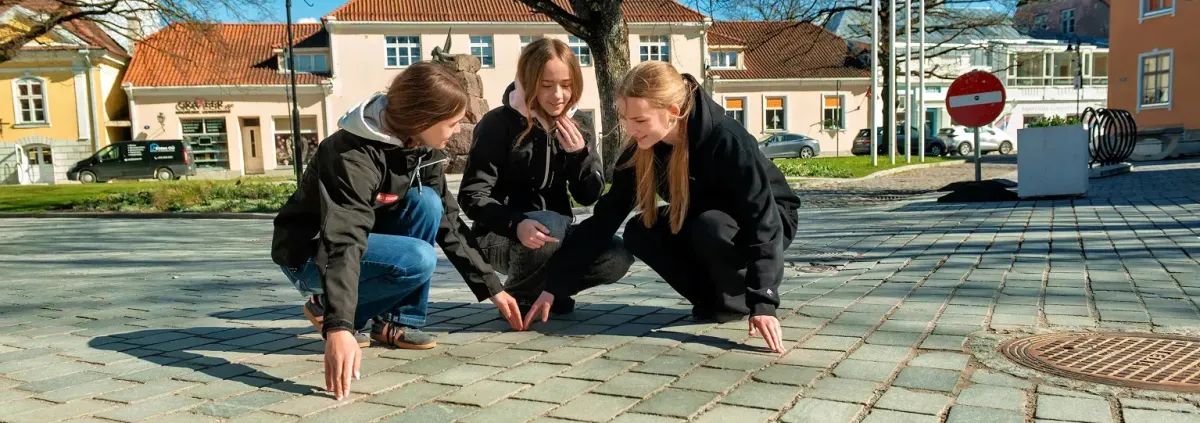
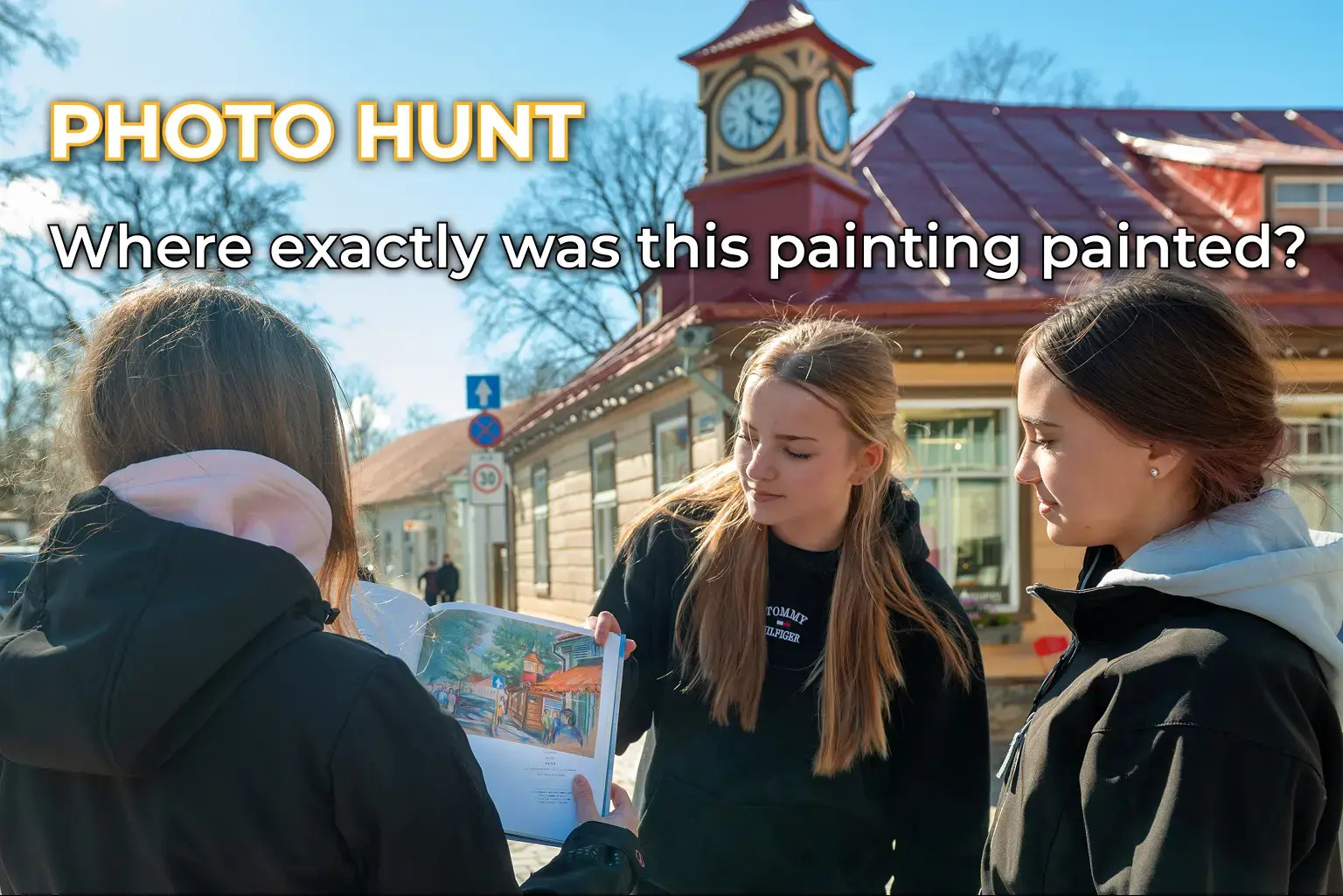
Designed to bridge the gap between the classroom and real life, Navicup gives teachers and facilitators the tools to create learning experiences that work in any setting. Mathematic students might estimate how many cobblestones pave a town square. History students might locate the exact spot where a painting was created. Environmental students can photograph signs of spring as part of a nature study. In every case, learning becomes active and contextualised , developing digital, citizenship, green, STEAM, and transversal competences through active engagement with the world outside.
Used across multiple countries in many different settings, Navicup is redefining what it means to learn.
“Learning outdoors made the lesson more exciting – we moved, worked together and noticed things we would normally miss.” Student participant

Read on to find out why this initiative was selected as one of the nine finalists of the New Learning Award 2026.
The project
Across education systems, the same challenges keep surfacing: passive, screen-bound learning, declining motivation, reduced physical activity and a persistent disconnect between the classroom and real life. Navicup was created to tackle all of these at once.
Developed by Estonian company Navicup OÜ, the platform enables teachers, museum educators and community organisations to use AI to design location-based learning experiences that take learners out of their seats and into their surroundings. Experiences typically begin with short contextual content, including text, audio, stories or soundscapes, before learners move into their environment to observe, explore and solve real-world challenges. Responses can take the form of photos, creative answers or open-ended tasks, with AI able to generate further activities, validate answers and rate feedback.
Adapted for learners of all ages, it is a valuable tool in both well-resourced and lower-resourced contexts. In environmental learning, students identify poor recycling and propose solutions. In mathematics, they estimate measurements in real spaces. In art and local history, they locate the exact viewpoint where a painting was created. In every case, learning is active, meaningful and impossible to replicate in a classroom.
While teachers have full control over the content, Navicup helps translate their creative ideas into high-quality activities, making it an accessible and valuable time-saving resource. The opportunities are limitless, and Navicup is helping reconnect learning to the world around us.
What makes this practice stand out
The ETF and its partners have selected this initiative as one of the nine finalists for the New Learning Award 2026. Here is why this learning practice stands out:
- Learning without limits – By turning any environment into a classroom, Navicup makes learning active, breaking down the barriers between formal and informal learning
- Developing the full range of competences – From digital and STEAM skills to citizenship, green awareness and entrepreneurial thinking, Navicup develops all key competences naturally
- AI that empowers educators, not replaces them – 73% of teachers surveyed reported improved learner alertness and on-task behaviour in Navicup-based activities
- Proven impact, ready to scale – With evidence of improved learner alertness, motivation and collaboration across multiple countries, recognition as a World Summit Award winner, and partnerships including the European Commission, Navicup is already operating at scale – and growing.
“I can’t imagine any other event that could get this age group so excited and engaged.” Piret Ehin, University of Tartu, Johan Skytte Institute of Political Studies
The future
Navicup is expanding across Europe and beyond, reaching new schools, museums, cities and lifelong learning communities in both well-resourced and lower-resourced contexts. A new collaboration with university researchers will develop more advanced AI capabilities for learning design and feedback, pushing the boundaries of what personalised, place-based learning can achieve.
Navicup’s vision is ambitious. For educators, helping them turn their surroundings into a rich, engaging learning environment. For learners, giving them the opportunity to discover that the best lessons happen when you step outside.
VOTE FOR THIS PROJECT!
Your vote counts! Cast your vote for Navicup as an inspirational new learning practice.
- Back to: ETF New Learning Award 2026
- Learn more: Navicup
ETF in partnership with

Please log in or sign up to comment.