

3D Printing Technologies
FDM, SLA and Powder Bed Technologies
Training
3D Operators Program
Engineering Program
Trainer Program
Experience
Projects Studies
Production and Prototype Studies
Recruitment and Internship Opportunities
Cooperations
Universities
Industrial Companies
International Partnerships
Manufacturing & Assembly
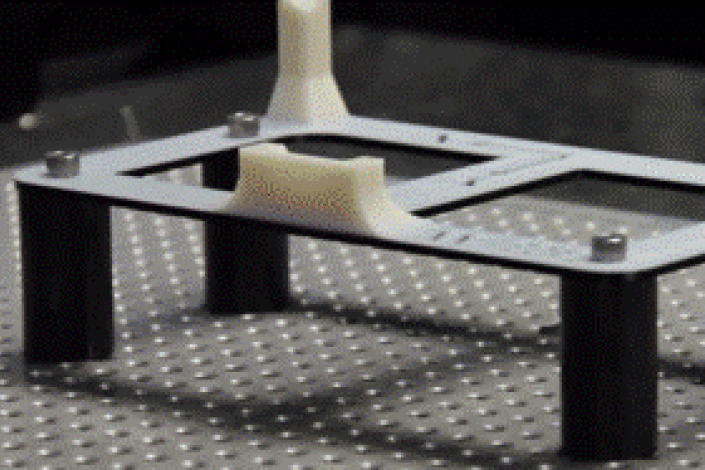
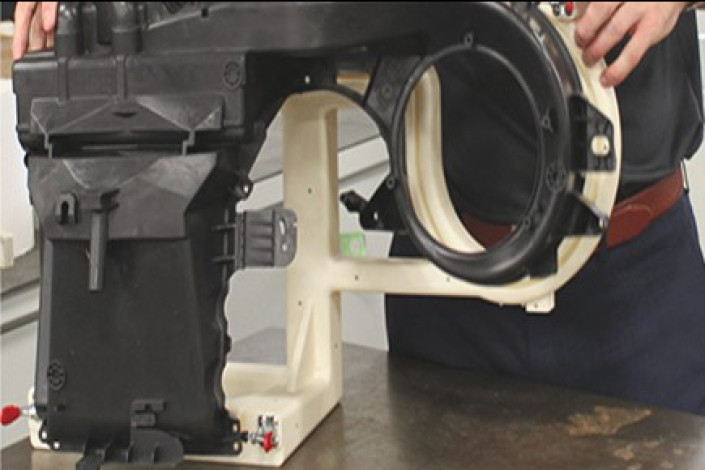
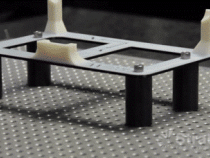
Alignment Fixtures
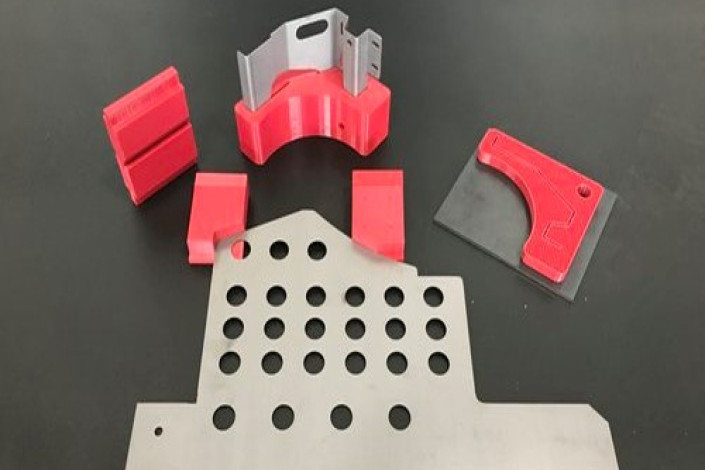
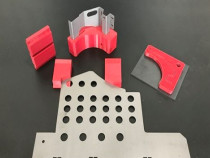
Holding Tools
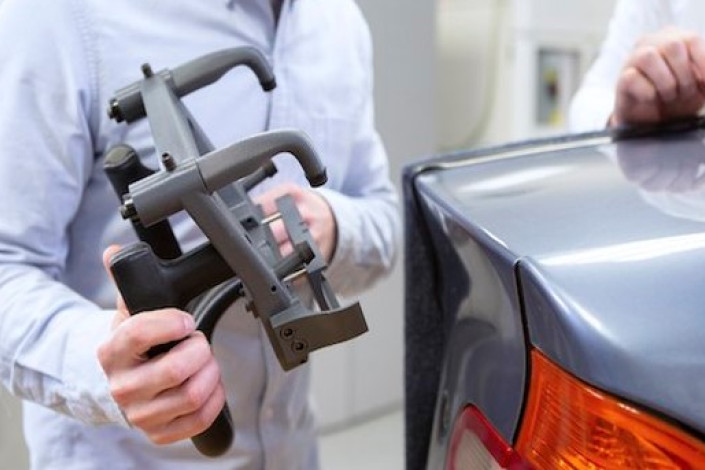
Hand tools
Robotic Grippers
Milling Guides
Drilling Guides
Paint Masks
Occupational Safety & Health
Hand/Wrist Protectors
Bumpers & Trenches
Ergonomics Apparatus
Quality Control & Inspection
check gauges
work clamps
text fixtures
Packaging & Logistics
Part Protectors
Trucks
Thermoforming Molds
Tool Bags

Turkey public-private partnership in research for skills give great results. All based on action research. The results of the public and private sector on usage of technology and innovation, in this case Virtual Reality(VR), through its applications, promise to make industrial maintenance and assembly (IMA) training better and more efficient while empowering users to acquire new skills or enhance existing ones. This scientific study on the impact of virtual reality on learning was published in a Springer journal included in the SCI index.
TurkTraktor, as one of the leading multinational Turkey company( https://www.turktraktor.com.tr/corporate/our-history) is very active in national, EU and international work on skills for inclusion. Also very active in EU programmes, with which and jointly with other EU multi-disciplinary teams they work on the issues evidenced with research and practical applications.
Very recently, they have achieved striking results in the experimental study, which it is carried out with the participation of 112 employees in the TurkTractor Factory in Ankara, Turkey. The work is done jointly with universties: Hacettepe and Pamukkale Universities.
This work is the first and only in the sector. It has inspired a lot of follow up work and discussions among the industrial and academic communities on a global scale through this international article. You can access the related article from the link https://rdcu.be/cw4C1
Effect of Virtual Reality-Based Training on Complex Industrial Assembly Task Performance (springer.com)
These results also promote the idea that individual training can be conducted without the regular need for an instructor in any training required by factory field workers. The VR training content provides the opportunity to examine all of the details of the parts involved in a complex operation and perform the desired number of repetitions and applications. Furthermore, the VR platform can significantly reduce the risk of occupational accidents, quality problems, and cost-associated losses. The advantages of VR learning environments over traditional training methods promote the use and evaluation of VR platforms in industrial company personnel training and training in vocational institutions. Thus, while contributing to the training of a workforce’s industrial maintenance and repair skills, it may be possible to contribute to developing innovative technologies and training applications and bring the potential of high efficacy and efficiency training across all personnel levels
Please log in or sign up to comment.