
The Challenge Addressed
“Think in English, Act with CLIL” is an international learning practice designed to address a common challenge in language education: students often learn English as a subject rather than as a tool for meaningful communication.
The project responds to this challenge by applying the CLIL (Content and Language Integrated Learning) approach, enabling learners to use English authentically while engaging with real academic content such as History, Social Studies, Environmental Education, and Arts.
This approach helps reduce language anxiety, increases motivation, and supports the development of multiple key competences simultaneously.
Why the Practice is Innovative
The practice is innovative because it integrates multilingual learning with cultural exchange and digital creativity.
Instead of traditional language lessons, students work on thematic tasks that combine content knowledge with English communication. They create AI-supported avatars, narrated videos, e-books, interactive posters, and collaborative digital products with peers from other countries.
The use of artificial intelligence tools, blended learning environments, and intercultural collaboration adds a contemporary and highly engaging dimension to the learning process.
Type of Integration and Key Competences
The practice supports the integration of several European key competences.
- Multilingualism is fostered as students use English to research, create, and communicate ideas.
- Cultural awareness and expression are developed through activities where learners explore historical figures, national celebrations, and cultural traditions, and compare them with their international partners.
- Digital and technology-based competences emerge naturally as students use AI tools, video-making platforms, and online collaboration tools.
- Literacy competences are reinforced through writing scripts, summarising texts, preparing cultural descriptions, and designing multimodal digital content.
Role of the Teacher/Trainer
The teacher plays the role of facilitator, designer, and learning coach.
Instead of presenting information directly, the teacher organizes CLIL tasks, guides students through digital tools, supports group work, encourages critical thinking, and ensures that language and content objectives are balanced.
The teacher also moderates international collaboration, helping students communicate effectively with their peers abroad.
Type of Learning Activities
Learning activities are task-based, collaborative, and experiential.
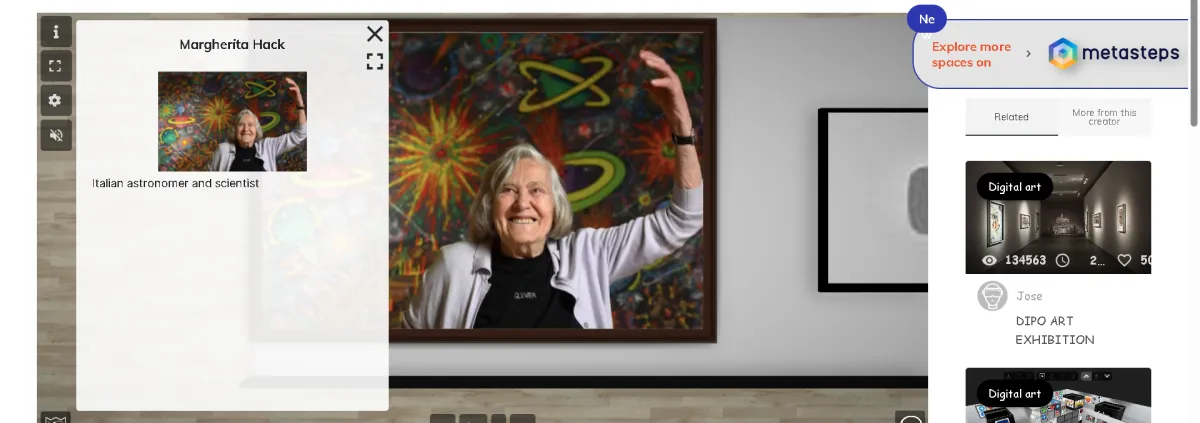
Examples include designing a digital avatar representing a historical figure, producing video stories of national traditions, preparing a joint cultural e-book, and completing CLIL worksheets focused on subject-specific vocabulary and concepts.
Students learn through exploration, creativity, and interaction, rather than memorisation.
Impact of the Practice
The impact of the practice is visible in students’ increased confidence in using English for real purposes, improved intercultural understanding, and enhanced digital literacy.
Learners report higher motivation, stronger communication skills, and a greater willingness to participate in international exchanges.
Teachers also observe clear development in teamwork, critical thinking, and creativity.
Potential for Replication
The practice has strong replication potential.
It requires no expensive equipment and can be implemented in any school using freely available AI and digital tools.
The CLIL approach can easily be adapted to different subjects, age groups, and cultural contexts.
Because it combines language learning, digital competence, and cultural awareness, it offers a sustainable model for integrated competence development that can be applied widely within European and international learning communities.
Innovator: Elife Selda BAHAR - Cudibey Ortaokulu