
The Challenge Addressed
With an emphasis on inclusion, career readiness and future skills, Practice Enterprises offer trainees a competitive learning environment through project-based, collaborative learning focusing on the development of inclusive and transversal skills including entrepreneurship, leadership, personal finance, networking and communication.
The Practice Enterprise bridges gaps between education and the world of work. It strengthens inclusivity in the learning process and empowers trainees to take charge of their own learning pathways.
The programme creates learning communities and an understanding of learning needs by integrating individualised learning pathways. Learning is experienced as a natural process, primarily through different layers of interaction. Participants can try out different roles and tasks and discover their interests and talents.
Why the Practice is Innovative
Each Practice Enterprise engages in practical commercial activities, both nationally and internationally, with other enterprises within the Practice Enterprise network, following standard commercial business procedures and frameworks.
The programme is an innovative way for trainees to experience the opportunity for working together with trainees from other countries.
Through managing the day-to-day operations of a trainee-run enterprise within the Practice Enterprise economy, trainees develop business skills and an entrepreneurial mindset, and identify career pathways that align with their interests, talents, and aspirations.
Type of Integration and Key Competences
Practice Enterprise trainers help create a learning environment through which trainees are able to acquire key competencies including citizenship and entrepreneurial training as well as acquiring transnational commerce skills, intercultural and linguistic skills.
The programme emphasizes inclusive training and learning with a focus on social inclusion and creation of an inclusive learning environment.
In addition to its academic benefits, a Practice Enterprise also serves to enhance quality of life and increase mobility by promoting intercultural learning and the respect of diversity.
Role of the Teacher/Trainer
Trainers involved in Practice Enterprise must follow a training structure to become good facilitators.
Trainers receive guidelines and practical handbooks to run the programme and to evaluate the participants based on a common set of evaluation criteria.
Most Practice Enterprises are paired with a mentor company from the real business world. The business mentor gives advice and ideas to the trainers and participants about the processes and how an enterprise is run.
Type of Learning Activities
Through managing the day-to-day operations of a trainee-run enterprise within the Practice Enterprise economy, trainees develop business skills and an entrepreneurial mindset.
Each Practice Enterprise engages in practical commercial activities, both nationally and internationally, with other enterprises within the Practice Enterprise network, following standard commercial business procedures and frameworks.
Participants can try out different roles and tasks and discover their interests and talents.
Through their interactions with participants in other countries, they are much better equipped to adapt to and cope with today’s fast-changing world and learn to effectively handle new situations.
Impact of the Practice
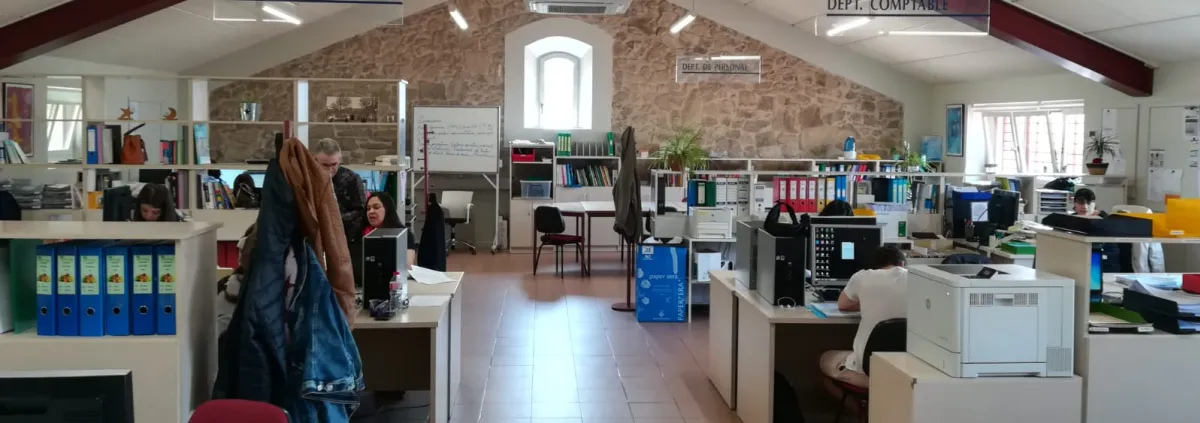
The Practice Enterprise programme is tailored to the needs of today’s young people and is a proven, forward-looking model for inclusive practical commercial and entrepreneurial training that puts trainees at the forefront of the experience in a learning environment set up to resemble a real-world company.
In addition to its academic benefits, a Practice Enterprise also serves to enhance quality of life and increase mobility by promoting intercultural learning and the respect of diversity.
The Practice Enterprise training programme has been acknowledged as a best practice for entrepreneurial and business training by the European Training Foundation.
The ETF report indicated that the programme delivers what is needed to increase the potential for success in new entrepreneurial ventures through practical business experience.
Potential for Replication
The Practice Enterprise programme is a proven, forward-looking model for inclusive practical commercial and entrepreneurial training.
The programme combines project-based and collaborative learning, international cooperation, real-world business simulation, mentoring and individualised learning pathways, making it a model for practical and inclusive career preparation.
Innovator: Scott Mitchell - PEN Worldwide