The Challenge Addressed
I come from Gaza, Palestine, a place where dreams and education are often tested by crisis. I was once a teacher, a designer of playful learning experiences, and a social educator, working to integrate children with disabilities into schools.
I dreamed of completing a PhD using storytelling to promote inclusion, and even launched a project called “Zacoosh,” which combined learning with play at affordable prices. But then the war disrupted everything, and suddenly I became part of the community I had always worked to serve—the marginalized, the veiled teacher in an international school-Germeny, feeling the difference deeply.
Why the Practice is Innovative
Instead of breaking me, this experience became my fuel. I realized that inclusive education is not just a theory—it is a lived practice.
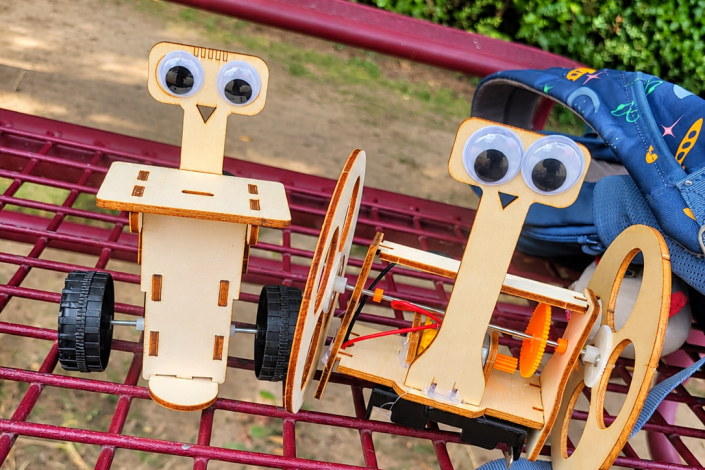
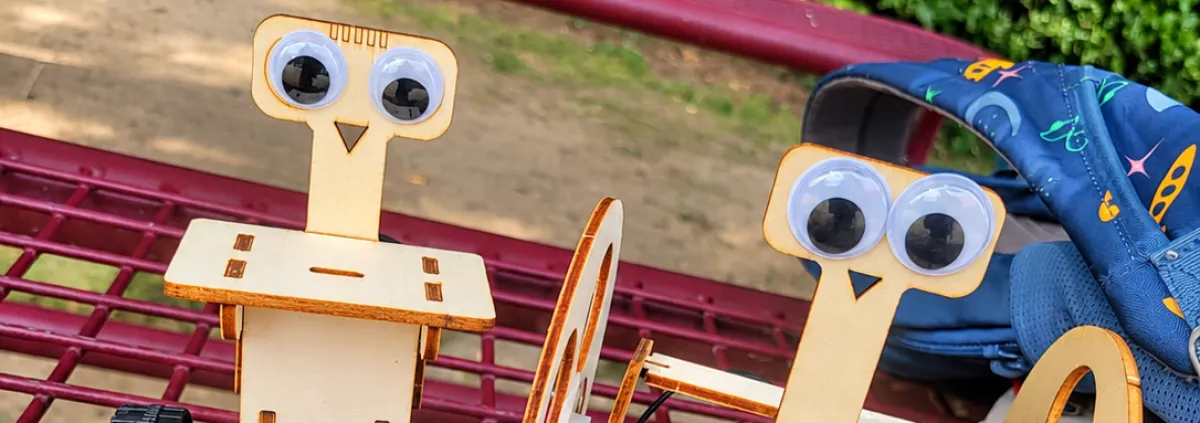
I started using engineering projects, life skills, storytelling, movement, and thematic seasonal activities to engage all my students. We built robots from simple recycled materials, integrated cooperative and interactive play, and transformed classrooms into spaces where every child could shine, create, and belong.
What makes this practice innovative is the integration of cognitive, social, and emotional learning with hands-on creativity. It allows children to collaborate, solve problems, and develop resilience, while also enjoying playful, meaningful experiences.
Type of Integration and Key Competences
The practice integrates cognitive, social, and emotional learning with hands-on creativity, cooperative play, engineering projects, storytelling, movement, and life skills.
Through these activities, children develop collaboration, problem-solving, resilience, self-confidence, a sense of belonging, and respect for diversity.
Role of the Teacher/Trainer
My role as a teacher is to guide, scaffold, and inspire, giving each child the confidence to lead, explore, and contribute.
The teacher creates opportunities for children to participate actively and transforms ordinary classrooms into spaces where every child can shine, create, and belong.
Type of Learning Activities
The learning activities include engineering projects, life skills, storytelling, movement, and thematic seasonal activities.
Students build robots from simple recycled materials, engage in cooperative and interactive play, collaborate, solve problems, and participate in playful and meaningful learning experiences.
Impact of the Practice
The impact is profound. Children gain self-confidence, a sense of belonging, and the ability to respect diversity.
And I, too, have learned resilience, empathy, and the power of creating opportunities under any circumstances. Even under a tree in Gaza, I have seen how a carefully designed activity can transform learning into joy, growth, and inclusion.
Potential for Replication
This approach is replicable anywhere—especially in crisis-affected or under-resourced settings. With creativity and dedication, any teacher can turn ordinary classrooms into inclusive, active, and environmentally conscious learning spaces.
Through my work, I hope to show that education is more than knowledge—it is empowerment, empathy, and the courage to transform challenges into opportunity. Every child deserves to feel seen, capable, and inspired, and I have made it my mission to ensure they do.
Innovator: Farah Zeedia - FIS