
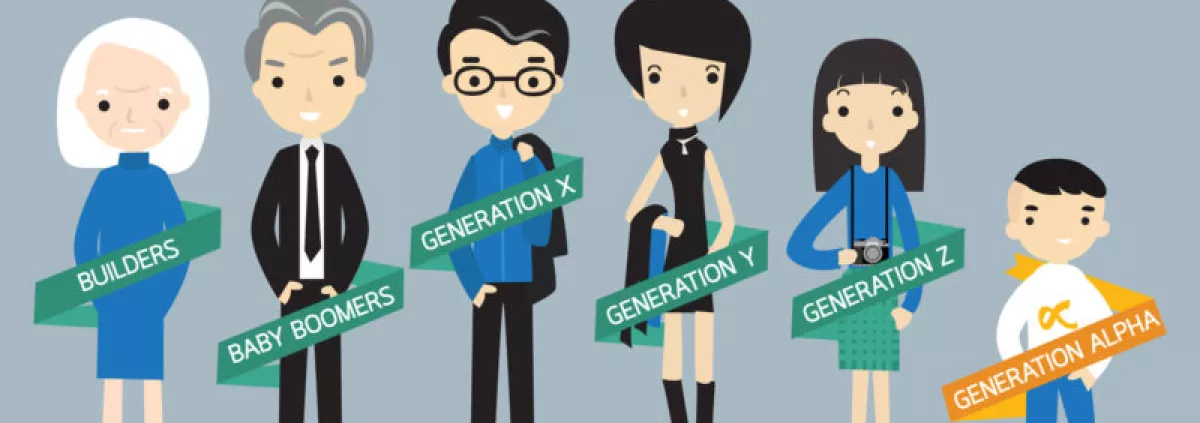
New pedagogies for new generations: from Generation Z to A.
بالعربية Z إلى A بيداغوجيا جديدة للجيل الجديد: من الجيل
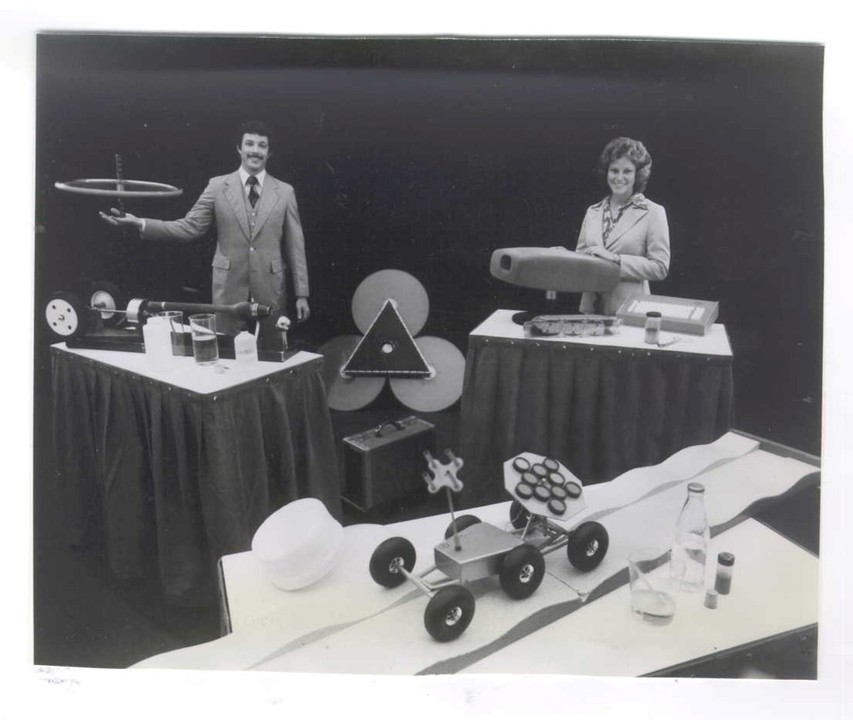
“Education is our passport to the future, for tomorrow belongs to the people who prepare for it today.” (Malcolm X).
Students entering education today will be young adults in 2035 – when there will be jobs, technologies, challenges, and pastimes that we can only speculate about now. Schools should prepare this emerging generation – Generation Alpha – to learn these unknown skills, to master undreamt of technologies, to tackle unexpected problems, and realize new opportunities. This is our shared responsibility as educators – and it requires vision and a readiness to think beyond what we have learned in the past. Of course, we have some idea of what kinds of employment are going to expand – it looks as though there will be more cybersecurity experts, robotics engineers, software developers, user experience (UX) designers, data analysts, healthcare workers, adult educators, and green energy engineers. Increasingly, it looks as though Generation Alpha will become start-up entrepreneurs – rather than employees. Perhaps there will be more work for e-sports coaches and epidemiologists…
Different generations have different ways of thinking and learning

Recent studies estimate Generation Z’s attention span at 8 seconds (Sparks & Honey, 2017) down from Millennials at 12 seconds (Meltzer, 2017). Keeping the focus of Generation Alpha is likely to be even more challenging – calling for a greater variety of stimulation and a greater connection or involvement in the learning process. Generalizing we can say that Generation Z has a preference for learning practical knowledge that they expect to use soon – rather than learning timeless theoretical knowledge. It seems that they value quickness in response and immediate solutions rather than accuracy or elaborate methods. Perhaps this generation believes that executing an algorithm is a job for machines rather than people!
Classic teacher vs. innovative teachers!
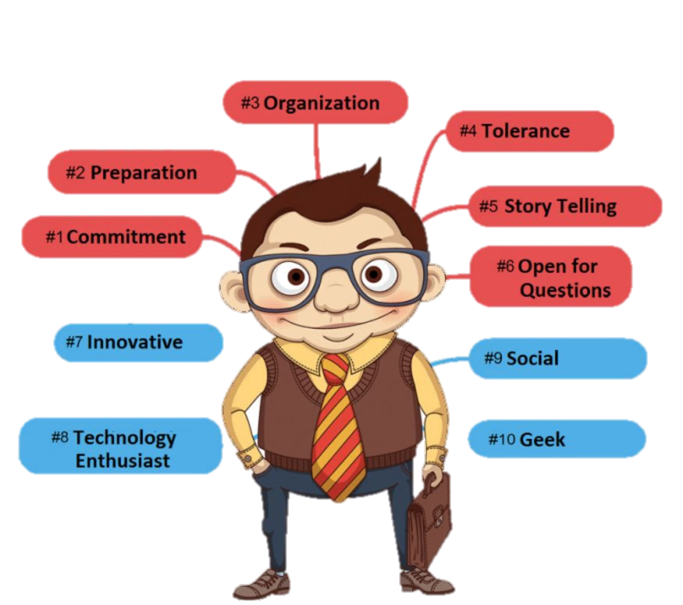
While new generations of learners are emerging, teachers are getting older! New generations of learners need teachers to ‘upskill’ to meet their needs – we can not expect our learners to adopt past generations’ learning and thinking habits. If we insist that they do this, they will either fail to pay attention or, perhaps even worse, pay attention and learn to think and learn ways that fit them only for the labor market of 20 years ago. Teachers must respond to their students’ perceptions, mentality, and priorities.
Of course, the best teachers have always regarded teaching as an art and as a dialogue with their learners. Good teachers have always tried to engage with the interests and needs of individual learners to help them become mature and independent and share their own knowledge and enthusiasm. Our challenge is to extend this art for Generations Z and Alpha and to exploit the resources and technologies that we now have at our disposal. At the same time, we have to meet all kinds of new challenges, for example, lack of bandwidth, large-scale migration, CoVid19. We have to find ways of teaching that really will help the next generation to acquire the skills that they will need over their lives. Furthermore, let’s not forget, that increasingly we will be expected to support and enable learning for older generations – whom themselves have to upskill to meet changes.
Serious fun
Learning should be serious fun. Generations Z and Alpha learn better in vibrant learning environments where they experience varied learning methods: social interaction, creative tasks, use of multiple and new technologies, assignments that simulate real-life work situations, or outreach tasks that address the problems of real communities. Traditional instruction - demonstration, repetition, listening, writing, and answering questions all have a part to play – but they should not monopolize teaching and learning as they did in the past. New technologies should not just be educational tools – they offer rich opportunities for experimenting with the way that teachers and learners work together. We are only just beginning to realize the pedagogical potential of AI, VR/AR, Robotics, Big data, and Programming.
Stop producing consumers of knowledge and encourage innovative and creative students!

Here are some personal tips that I try to follow – and that I recommend to my students:
- Learn how to self-learn, be autonomous.
- Do not burn bridges behind you, do not cut corners, do not cheat.
- Work while studying, no job is a lousy job, do not waste time.
- Choose your battles and win the war.
- Study with passion.
- Do not be stubborn, and do not hesitate to change orientation when new opportunities open up.
- Dream big.
- Work hard.
- Stay focused.
- Be surrounded by good people from all over the world.
The Arab school system: is it a springboard or a barrier?
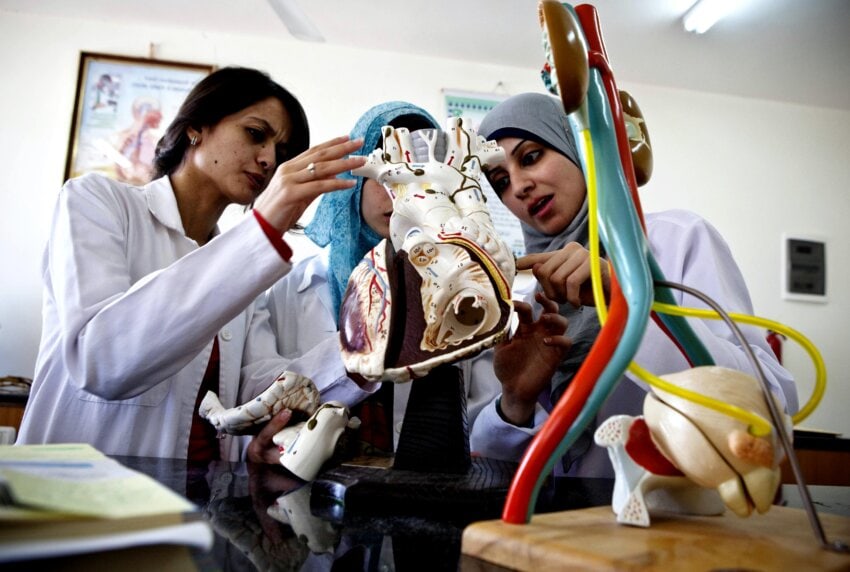
“You are either part of the solution, or you are part of the problem.” (Eldridge Cleaver)
In the light of what I say above, it is clear that many Arab education systems need a paradigm shift: they need a true transformation in the way that teachers teach, and children learn to prepare them for the challenges of the 21st century. Too often, our schools are factories for examining memories, which have lost track of the real purpose of education and training. That said, it is our responsibility – as teachers, administrators, school leaders, parents, and students – to bring about this transformation.
Please feel free to share with us feedback regarding your experiences with Gen Z teaching and learning:
Do you agree with the arguments in this blog?
What approaches do you think work best for Generation Z learners?
What are the priorities for improving teaching and learning in Arab education systems?
Many thanks for your interaction and concern, In Arab countries, depending on either the teacher is an old generation or new one, and for students depending on technology affordability, teaching & learning style have to be personalized within a planned scenario matching the connected generation expectations by encouraging active pedagogies, hands-on activities, gamification, experiential learning, mobile learning, and project-based learning. To sum up, every Arab teacher must first make the class an enjoyable learning environment and gain students' trust. Furthermore, involving students in activities and illustrating their real applications could make them think out of the box and be creative and innovators of tomorrow.