

Half a day for decision making about distance learning and half a day + night for transiting offline educational process to fully online, and then 2 weeks of distant learning in the status of the first and the only one school in Belarus which has done it.
Is it possible? As you see, yes.
How is it possible? Time to make a small pause to reflect and share.
1. Decision
Belarus is a kind of a country with no trust in the society in general. Lots of examples in the past where the government did not tell the truth about the dangerous situation, so people are used to not trust the official news. Internet is of help to collect data and think independently.
On Friday 13 March we had 30% of students absent at Stembridge school, and only half of them because they were sick. On Saturday we had quite a lot of messages from parents asking how they can leave their kids at home for a while. 2 weeks before the end of the term – pretty important school period. So we understood that on Monday we’ll have even bigger absence percentage. And in parallel we had a teacher training for the whole day of Saturday which was planned much in advance and had nothing in common with distance learning – it was about general pedagogy. So in the evening we understood that we have to make a decision on how we’ll proceed further. On Sunday morning we conducted a small survey in parent’s viber chats if they want to go for distance learning or to stay offline – and by midday most of parents voted for distance learning with understanding that it’ll be an additional work for them. So the decision was clear.
2. The team
But before asking the parents it was very crucial to feel the mood and intentions of the teachers – as they are the main actors in this process and in the school in general. And they were ready. They took their day off and went online to create online classes, upload the materials for the lessons, and get ready for the new educational format.
Was it easy? There were several teachers who were active in blended learning and who have used google classroom since September. They became our internal experts. They shared their experience, created instructions, produced video-guides. (And what was also important, thanks to their preliminary practice, kids were used to the google classroom.) For those teachers who never used any technical tools in their courses it was a huge challenge. And they succeeded because of the teamwork as a) their inner and deep adoption and commitment, and b) help of the colleagues.
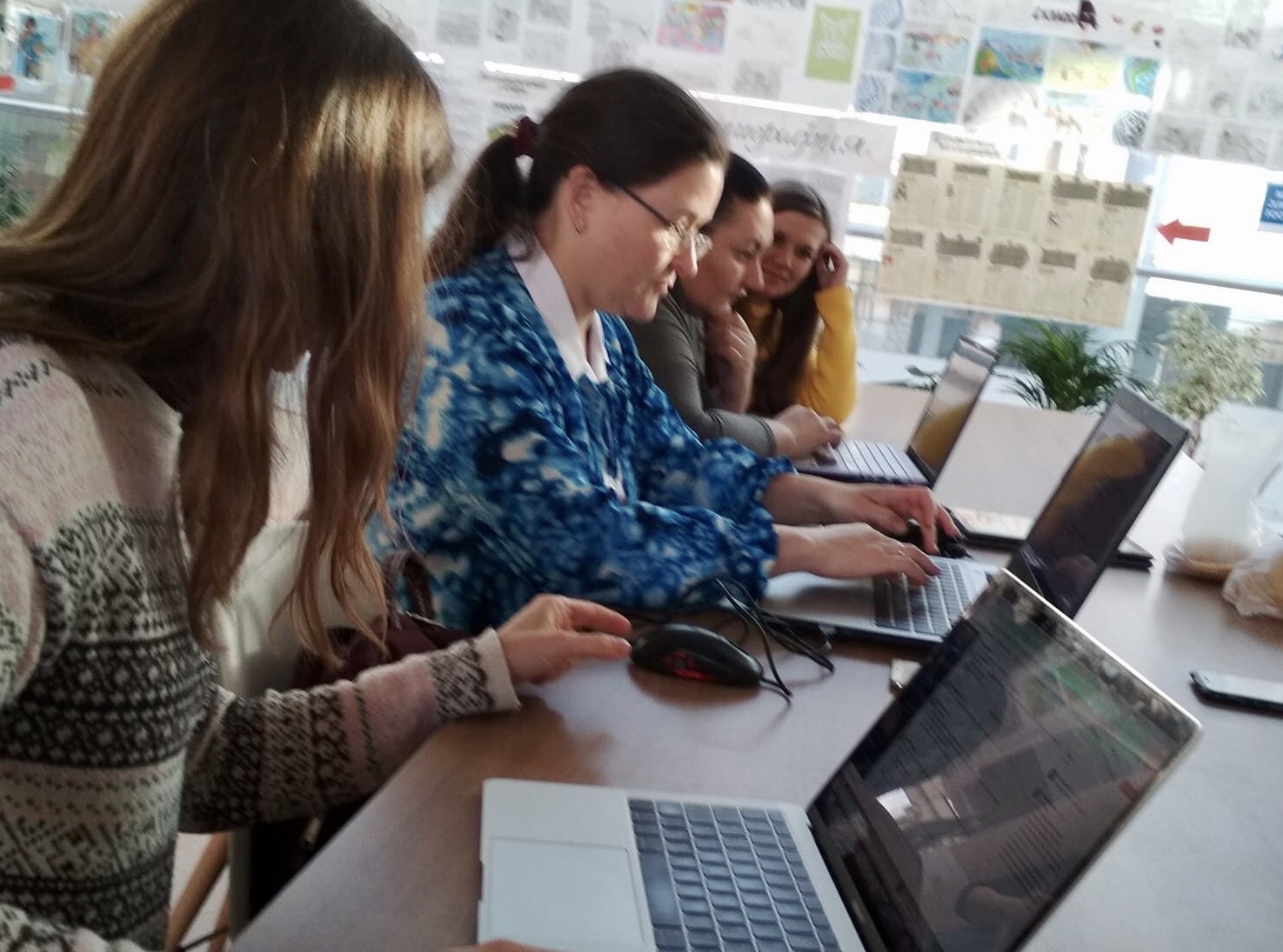
3. Communication
After the decision was made, we announced it on parents’ chats. And provided the self-made instruction of what they have to do to help their kids prepare for the new format (what apps should be installed at educational devices, where to find the schedule, how to go to virtual class, where to find the materials for the lesson, etc.). We provided technical support with logins, passwords, apps installing, etc. almost 24 hours in row first days. Teachers and administrators were in constant live communication with parents answering questions, attendance tracking, and supporting them. After the first week we made a survey to get the feedback from parents of how they see the process, whether we are on the right way and what we should further work at. And we were surprised by how constructive and supportive that feedback was! It was very important for the team to get it!
The other side of communication was in the team. During the first week we had daily meetings sharing good practices and challenges, making quick small decisions (such as rules for online lessons after the first day for example) and agreements. During the second week there was no such necessity already and weekly meetings were enough. And by the way, the meetings also moved online.
4. Cooperation
Cooperation of parents and stembridge-team was one of the key elements of possibility of distance learning. Especially in primary school as small kids require help from adults with technology and process management in general. School becomes transparent: to help kids at home parents should have access to lessons and materials (from students accounts of course). This is an opportunity and risk at the same time. That’s why the trust, openness to ask and give constructive feedback, readiness to help at any point and support with belief in future results become the glue between teachers and parents, which is necessary for success.

5. Technology
Last but not least, distance education, of course, requires at least an educational gadget and internet access. And here we were lucky as a school as we were fully equipped: before the start of the educational year we agreed that each student should have a personal device for studying and parents equipped their kids accordingly. And we had time to get used with kids on how to use the gadgets for education without haste.
Secondly, we had a platform ready. A year ago we got the G-suite for education which took us 3 month of negotiations with Google. Nobody knew at that time how it’ll be crucial to the educational process – we just were planning to have an intranet solution for the school and the possibility for students to stay in the process while they are not in school physically by any reason. So since September we had all the students and teachers logged in the G-suite with their stembridge accounts. And some teachers started using Google classroom in their regular practice. And all this basement gave us the opportunity to make a switch from offline to online in one day.
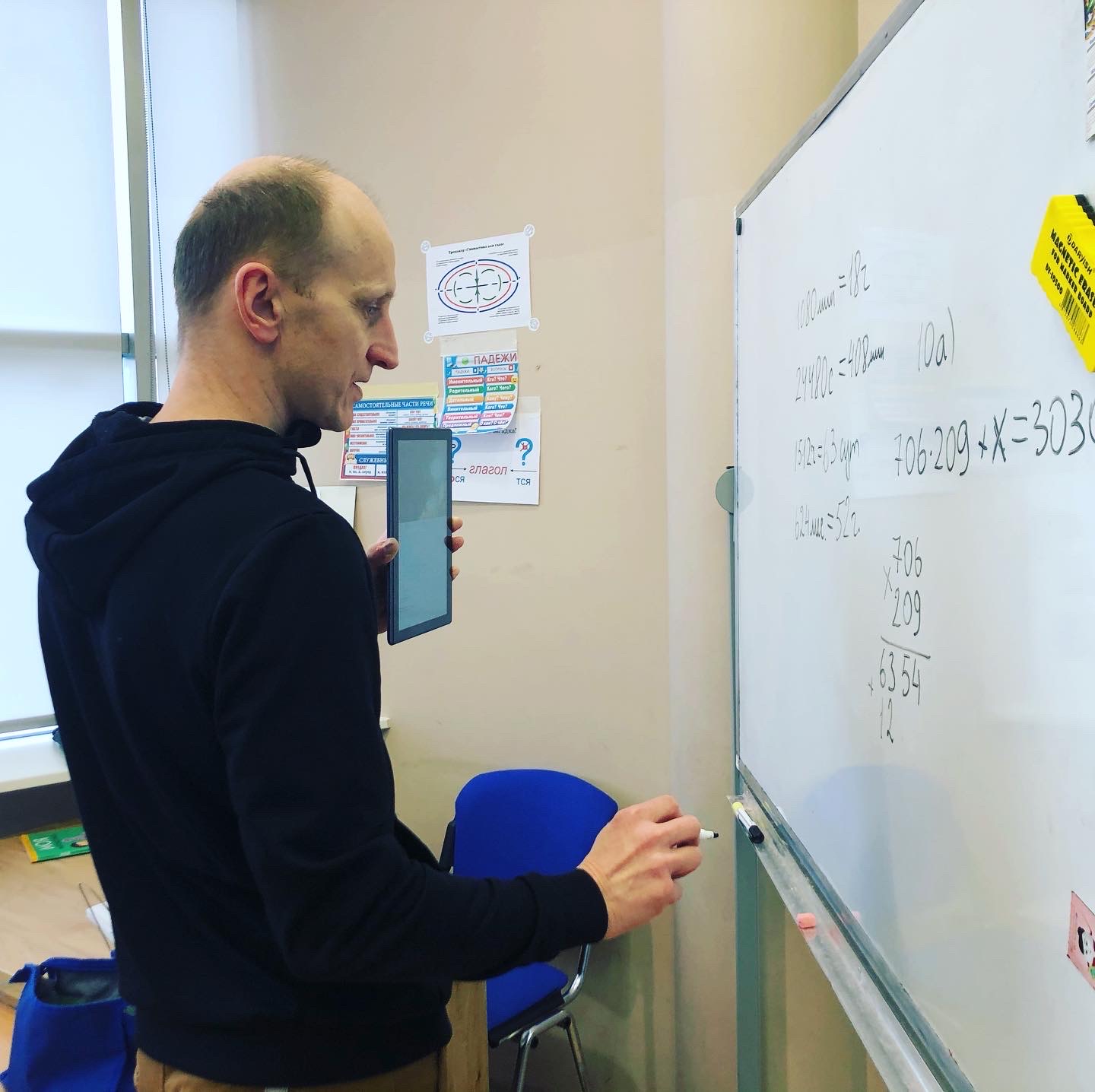
So it’s obvious now that the transition from offline education to online at primary and secondary school is made not in one day. It requires a big preliminary preparation. But you never know what can happen, so you can’t start preparing for something certain in advance. The secret of success is how to think hardily and wide, act proactively and quickly, and be open and ready for different possibilities.
And surely, it’s just the beginning, followed by the complex process of study itself - full of nice findings and experience mistakes. But it’s a different story. Follow...
Hi Julian, thanks for your comment! It's our 4th week now in this mode. We've shortened lessons thus reduced screen time and are getting positive feedback on this. Participation rate is still hi - 84-92%. I'm planning to make a separate post on the updates and lessons learned soon.