
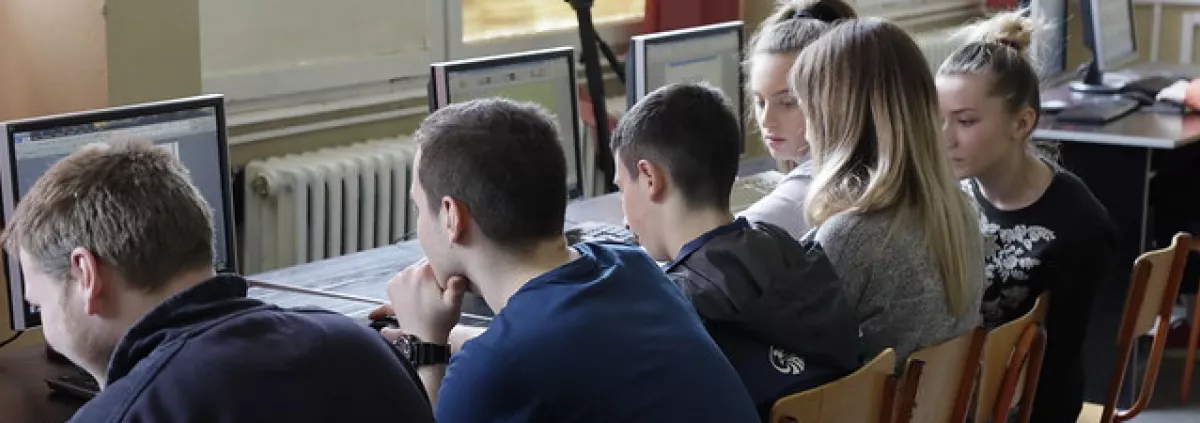
Key messages from SELFIE multilingual webinar 1 / 2 - SEET region - Digital skills and Learning.
Re-thinking the role of digital learning and the provision of digital skills in SEET countries - A Regional perspective
ETF support to SEET countries – three webinars
The European Training Foundation (ETF) has been supporting partner countries through the COVID-19 lockdown, both through its own projects and in cooperation with other partners. As part of this response, the ETF organised a series of three online events discussing how countries in the SEET region have approached digital distance learning.
The self-reflection tool SELFIE, developed by the European Commission, has been used in the region since 2019 to assess the digital readiness of schools and education systems.
The event run on June 17 was the second in the series, and focused on regional cooperation, informing participants on EU and regional initiatives to support the reform of education and training in SEET through a fast response to the coronavirus crisis and the development of digital skills and learning policy and practices.
Building on the previous webinar, the event highlighted several levels of local and regional reactions to school lockdowns, covering:
- digital skills policies throughout the Western Balkans,
- the continuous professional development needs of educators,
- and how Turkey used its existing experience in digital distance learning to navigate the crisis.
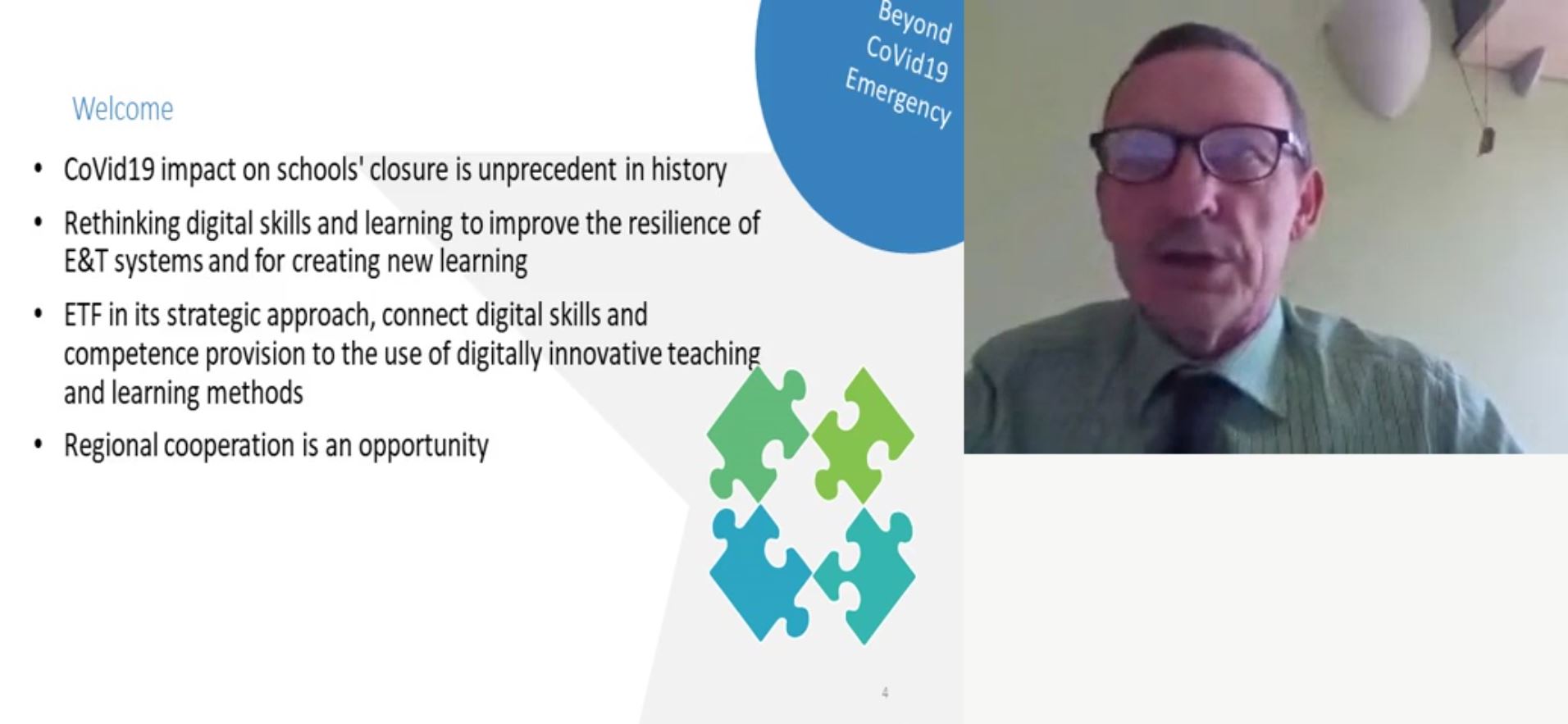
Xavier Matheu de Cortada, ETF, opened the session saying that “we must use the networks we have, among teachers, among policy makers – they are so useful for learning from each other!”
Overview of the SEET region
Overall, the region responded promptly, as shown in the COVID-19 mapping done by the ETF in April-May 2020: local governments implemented digital and distance learning solutions within one or two weeks after the lockdown was enforced, in March, and even within a few days in some cases. Platforms ranged from national television stations, private digital platforms, and even social media.
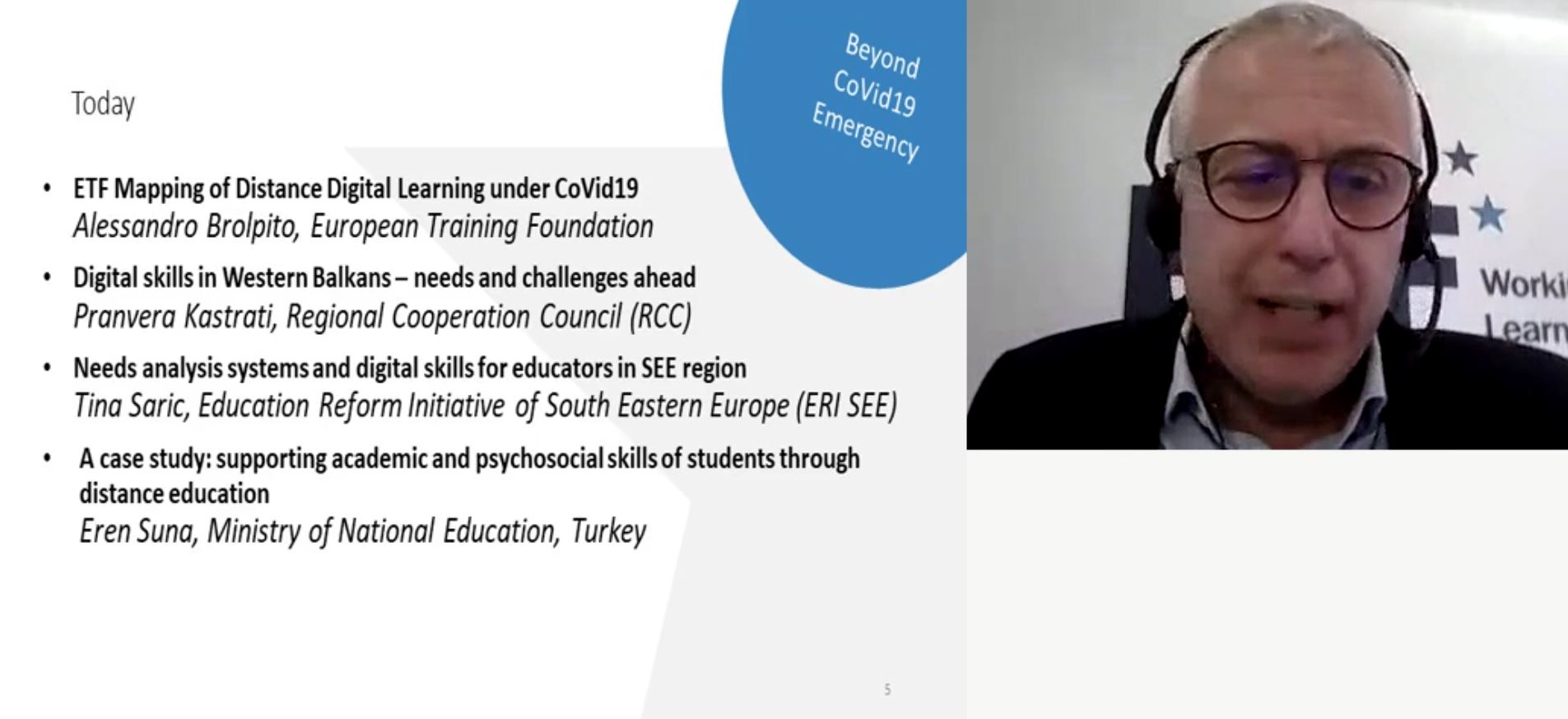
“I would not underestimate the role of social media in this crisis, when tools such as Facebook and Whatsapp have been used to keep alive the relation between classmates, between teachers and students”, said Alessandro Brolpito, ETF. “For me the crisis has been a positive surprise, from a digital perspective. I have been promoting digital learning for years, and now the countries with which I work have done great things”, he continued. “The level of skills was mostly the same before the lockdown. What changed was the attitude of teachers. Many were extremely motivated and worked hard to find solutions.”
Both in the ETF COVID-19 mapping, and in the two regional assessments presented, inclusion and equity have been highlighted as top concerns.
A strategic perspective on digital skills highlights their importance not only for education, but also for day to day use in a broader sense of digital literacy, all speakers in the webinar agreed.
Are digital skills a system-level priority in the Western Balkans? An RCC perspective
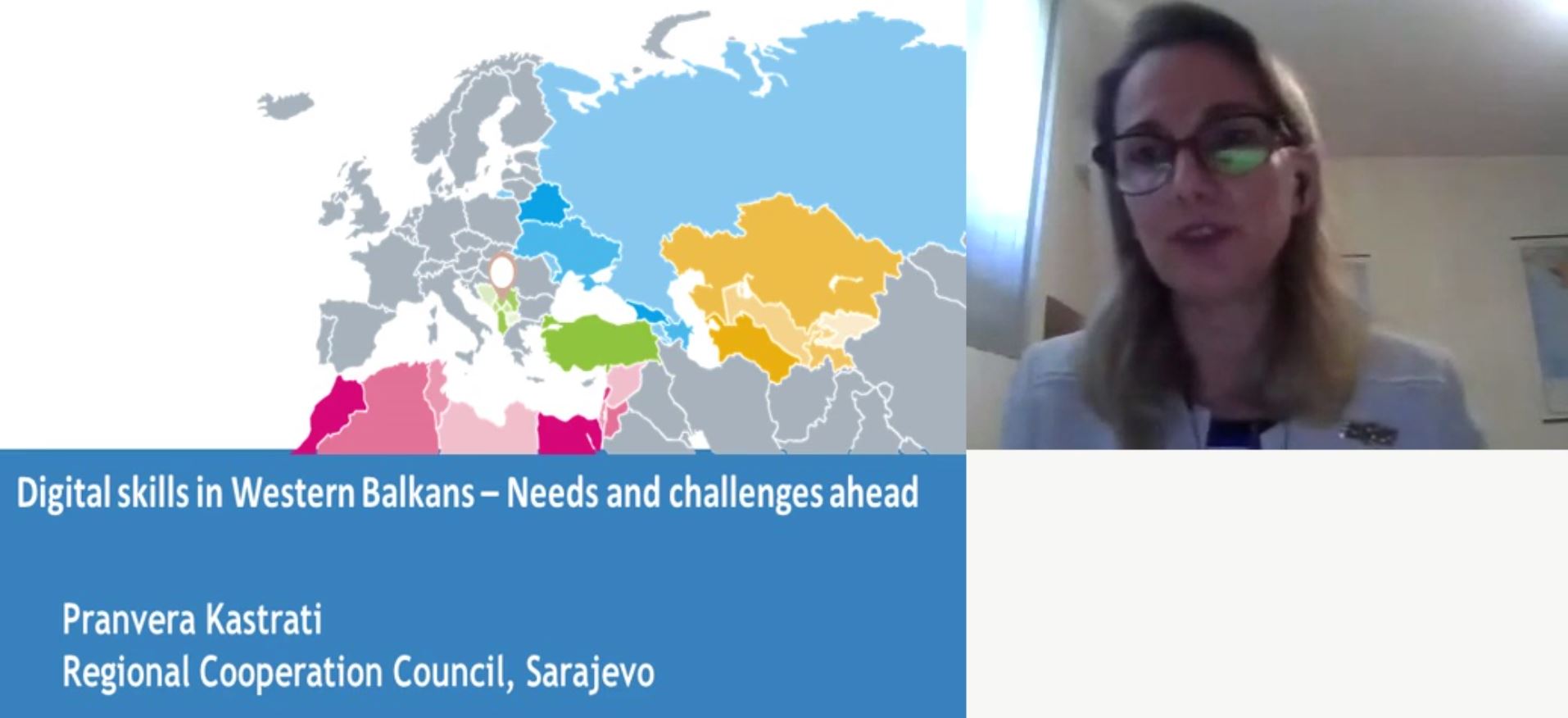
“The pandemic showed that digital platforms are working well in the region and worldwide. However, it also showed that the digital divide can become worse if measures are not taken. And despite all progress being made in each of the Western Balkans economies to improve digital infrastructure, and to equip citizens with more skills to navigate these platforms, I think it’s time for the Western Balkans to go the extra mile and shape the digital skills policies in a way that responds to the emerging needs”, said Pranvera Kastrati, RCC.
An RCC study from 2018 shows that, so far, digital skills have been addressed through strategies for education. However, digital skills are needed not only for learning. At a regional level, the current framework addresses digital skills through the regional economic integration Action Plan endorsed in 2017 in Trieste.
“The policy formulation, when it comes to digital skills, is still fragmented – it is either addressed in different strategic documents or does not cover all target groups, and the inclusion of all vulnerable groups in different initiatives or training programs is still not at the level required. Access to infrastructure is still something that needs to be addressed in a more holistic approach”, stated Kastrati.
The RCC is already taking steps towards a dialogue around regional balance:
“We have already established a multi-stakeholder working group, involving policy makers, the private sector, academia and international organisations, to address the skills needs in the region from all perspectives and for all target groups.”
While Kastrati is a firm believer that “strong partnership with the private sector is the key to whatever we can do with digital skills”, she also recognised that digital skills needs should be assessed from “both supply and demand sides”, for a “regionally accepted digital competence framework” to be developed.
The RCC is committed to pursue this in further engagements, such as the integration with the Digital Skills and Jobs Coalition, together with partners like the ETF and the European Commission.
Continuous Professional Development in the Western Balkans. An ERI SEE - ETF study
Tina Šarić, Education Reform Initiative of South Eastern Europe (ERI SEE), presented the case of continuous professional development (CPD) for teachers, as shown by a study run in cooperation with the ETF in 8 countries – Albania, Bosnia Herzegovina, North Macedonia, Croatia, Kosovo, Moldova, Montenegro and Serbia.
“All of the 8 economies we have researched recognized that an investment in CPDs actually contributes to the quality of education” said Šarić. “What we intend to include in our study is how the countries responded to the COVID crisis and what emerging needs we can highlight from the responses.”
The study already highlighted several areas for improvement:
- correlating existing competence standards with their translation into the needs assessment tool
- enhancing the capacity of CPD teams and coordinators, particularly in order to create “a stronger support network for teachers when performing their own self-assessment”
- improving the communication channels between the three levels of needs analysis (teacher level, school level and ministry level), so that results can be processed from one level of assessment to the next
- creating CPD catalogues that offer a more timely response to the teachers’ needs
- improving quality control
- validating in-house CPD forces, in order to increase peer to peer and school to school learning.
This study is the first phase of a research project that goes on to analyse the digital competence needs of educators in more detail in its second phase.
The second phase of this research aims to zoom in and identify the digital skills needs of educators and to better assess the adequacy of the CPD offer in relation to these needs. Preliminary results are expected in October, and the final study is due in November 2020.
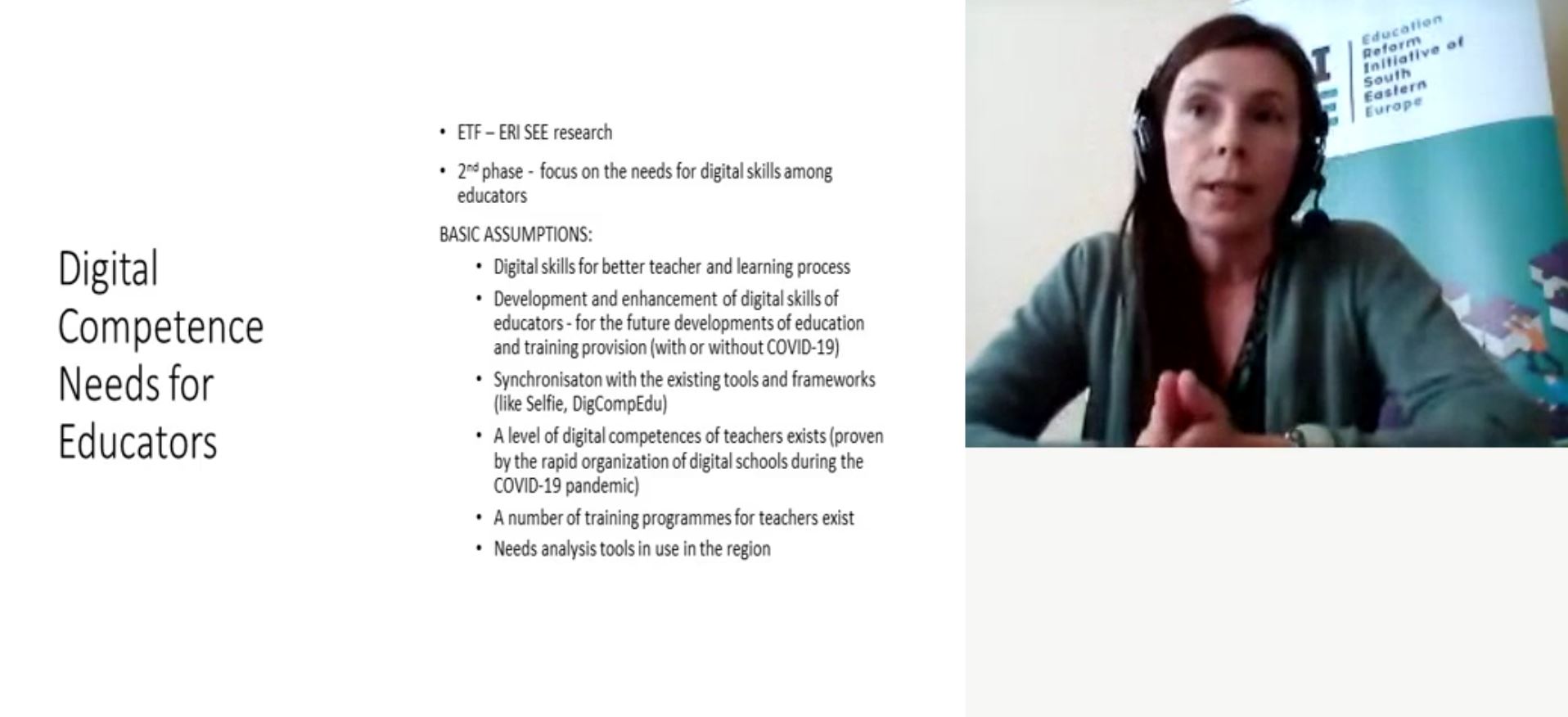
“With or without COVID-19, we cannot ignore that digitalization and digital skills are absolutely needed to provide for the education of today”, said Šarić, announcing the second phase of this study, which will focus on “the needs for digital skills among educators – to what level do they own these skills, and what other skills do they need to develop; what kind of CPDs particularly addressing digital skills already exist, and what needs to be improved”, as well as “how to integrate all this into a more structured needs analysis in the future.”
Šarić believes that “with some adjustments, will be able to quickly identify which are the skills needed, and then respond more quickly in case of a similar crisis” and that “the current system of needs analysis can be adjusted to allow for a more rapid response in training for educators.”
The case of Turkey
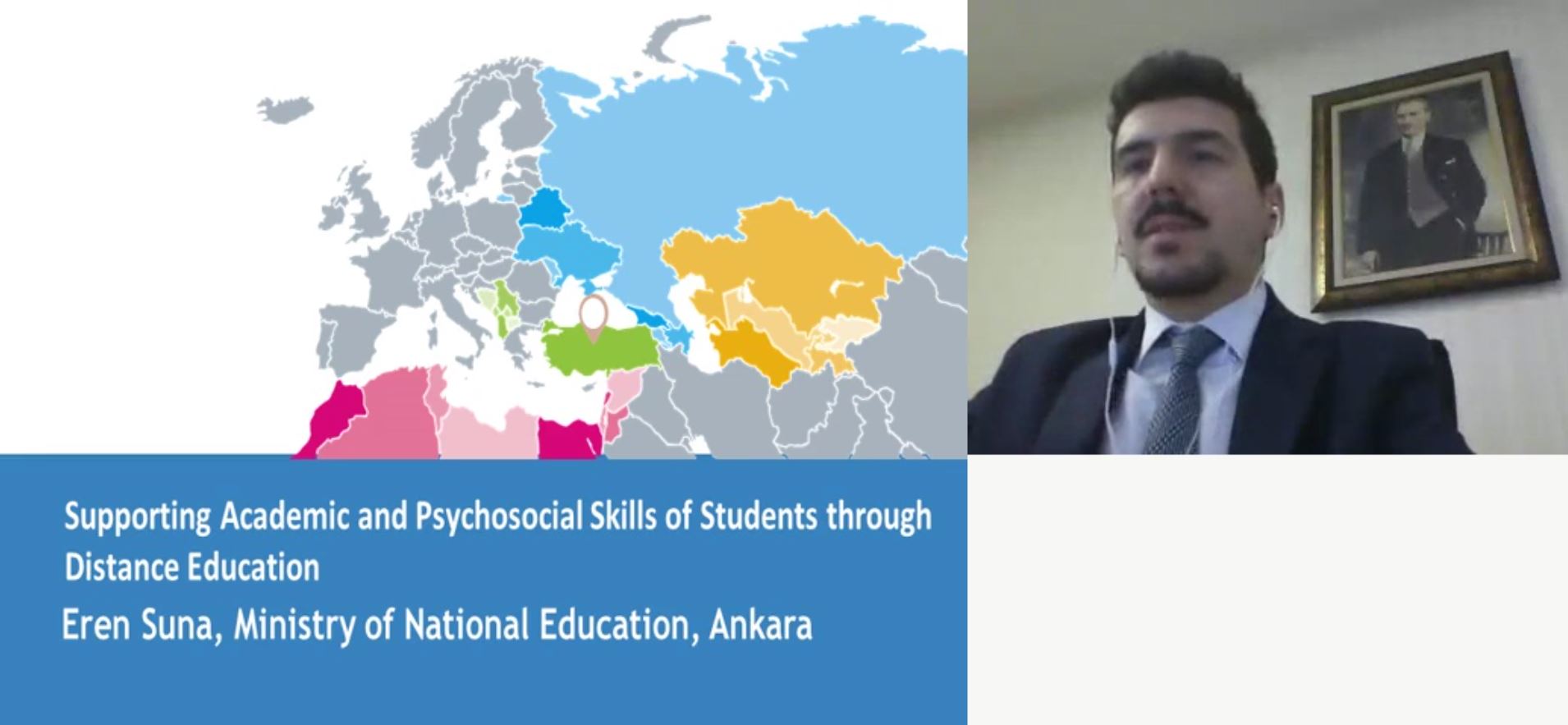
From the Western Balkans – home to 18 million – to Turkey, where 18 million is only the number of students, the perspective shifted towards logistics and accessibility.
“It’s a big challenge for Turkey to maintain its educational services in these extreme times”, admitted Eren Suna from the Ministry of National Education in Ankara.
Suna was invited to share the experience gained in Turkey during the lockdown, with a particular focus on the challenge of equity: in a country as vast as Turkey, where learners span a wide range of social and economic backgrounds, how can the government make distance learning available to all, throughout the COVID-19 crisis?
“Despite all the advantages, we believe that distance education can potentially widen inequalities, so one of our main objectives was to ensure and maximise equity in education: how can we reach each and every student?”
Luckily, Turkey was not caught completely unprepared by the COVID-19 crisis, and the country was able to prioritise the support of “academic and psychosocial skills of students during the pandemic, alongside their academic skills”. To this end, two main platforms were used: the Educational Informatics Network EBA and the Turkish Radio and Television Corporation (TRT), starting March 23.
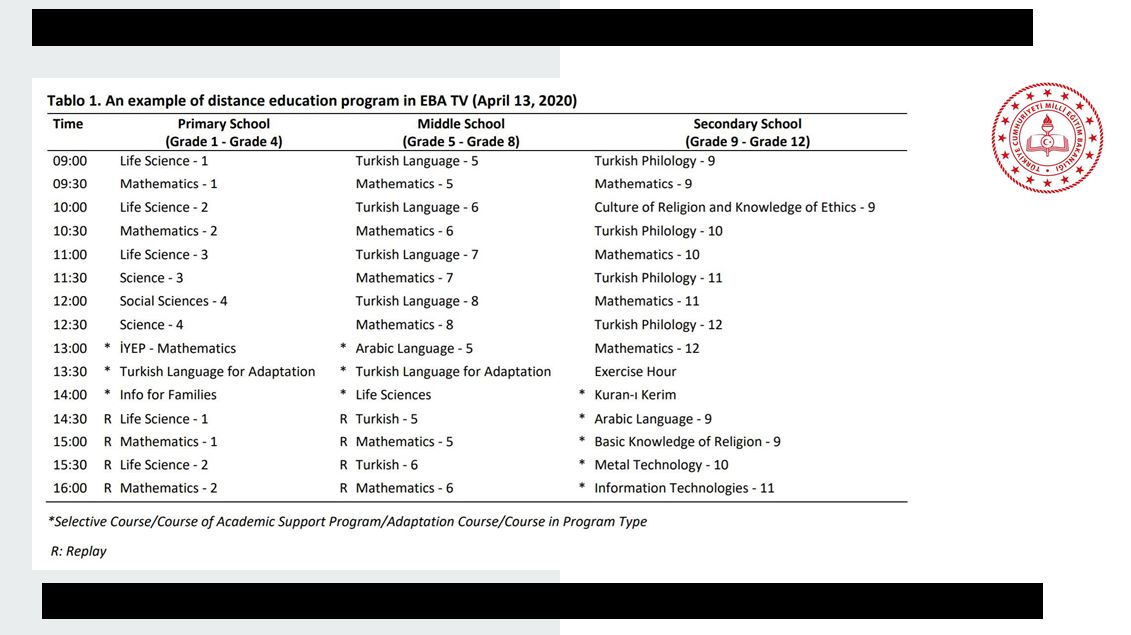
TV lessons were broadcast twice a day, with different channels assigned to different school years.
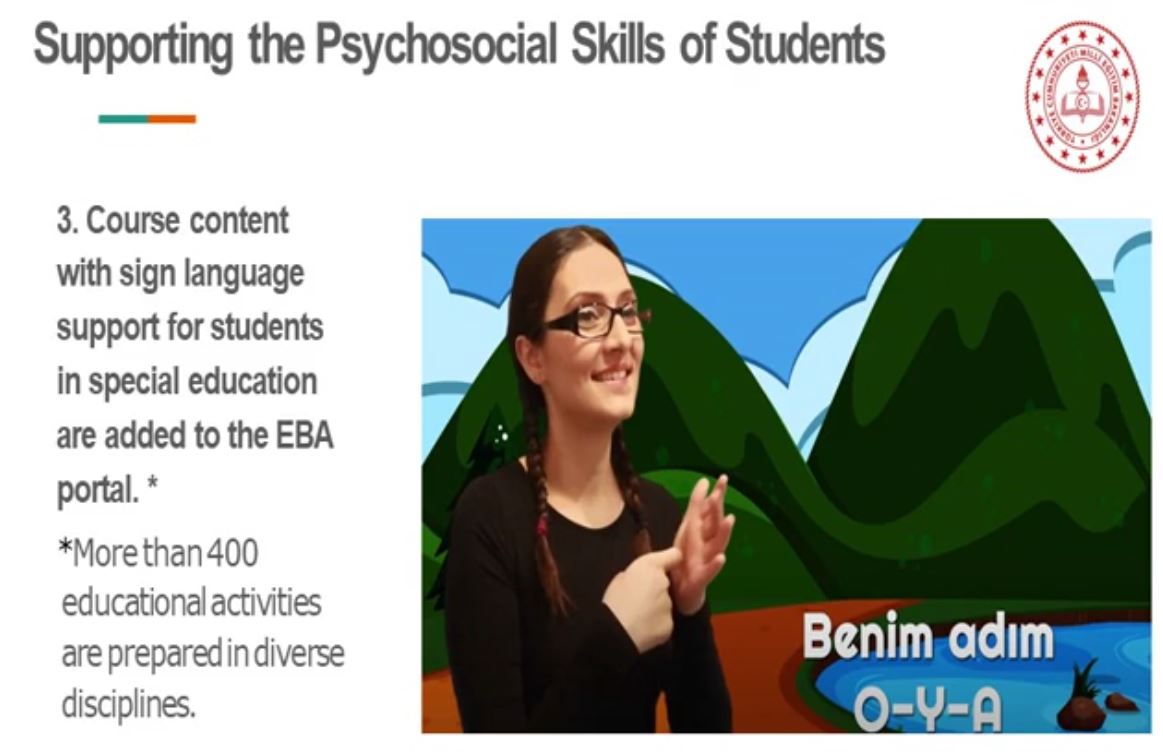
More than 400 educational activities in various disciplines were made available in sign language on EBA.
With over 2 bn. hits, EBA’s infrastructure had to be strengthened, and students in high stake years, such as the 8th and 12th grade, were offered opportunities to connect live with their teachers. The frequency of sample examination questions was increased from once to twice a month, and only the content from the first semester of 2020 was included in the examinations, in order to limit potential inequalities in access to distance education.
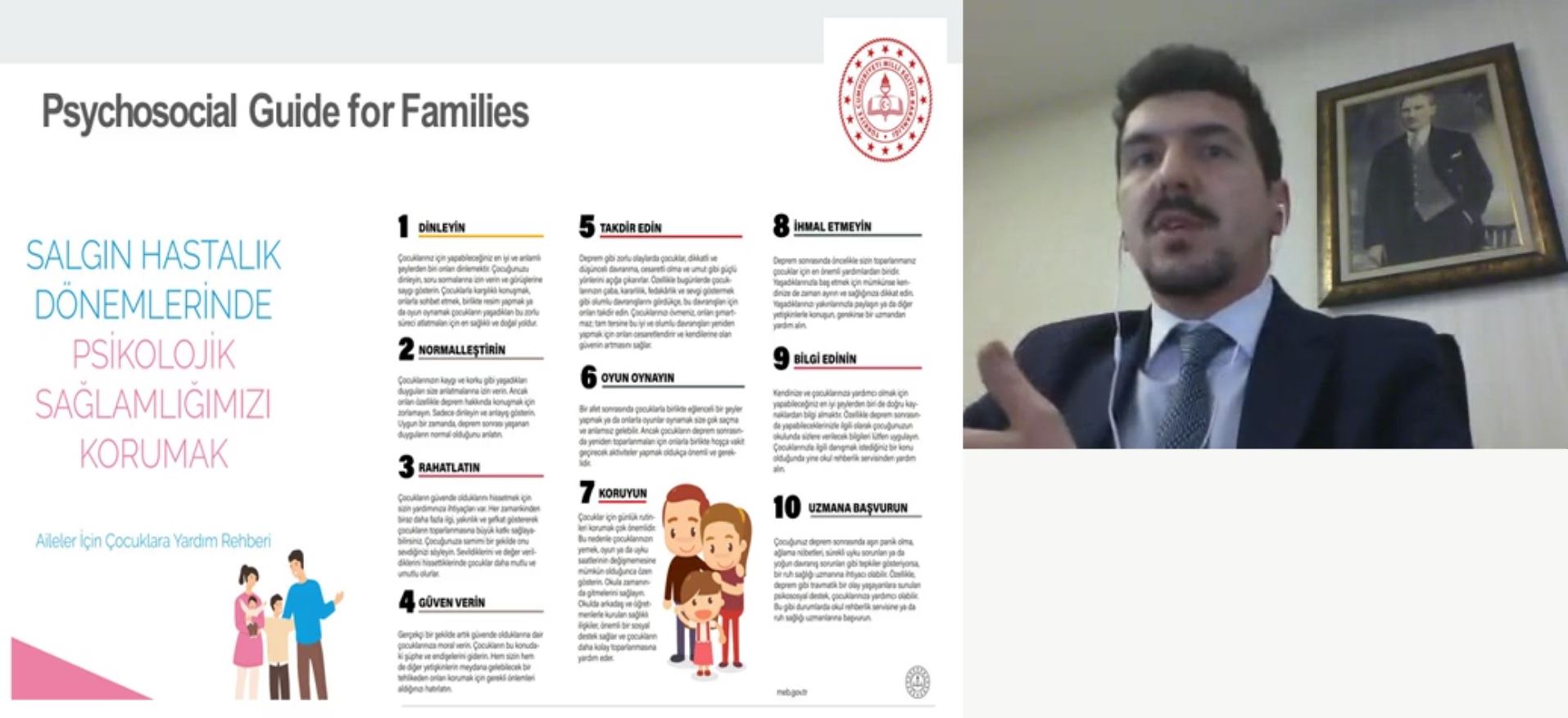
A helpline was started where students and parents could call any time and talk directly to an expert in psychological counselling and special education. Psychosocial guides were developed and shared with the public through the website of the Ministry, containing, for example, suggestions for parents to explain COVID-19 to their children.
“We had contact with all province managers in Turkey and gathered statistics and qualitative data from our provinces”, said Suna.
Conclusions
The lockdown has been a time of reaction, has highlighted the limitations of educations systems, and has often made disparities bigger.
Implications on the dropout of students remain to be investigated, but internet connectivity and access to devices were obvious sources of inequality.
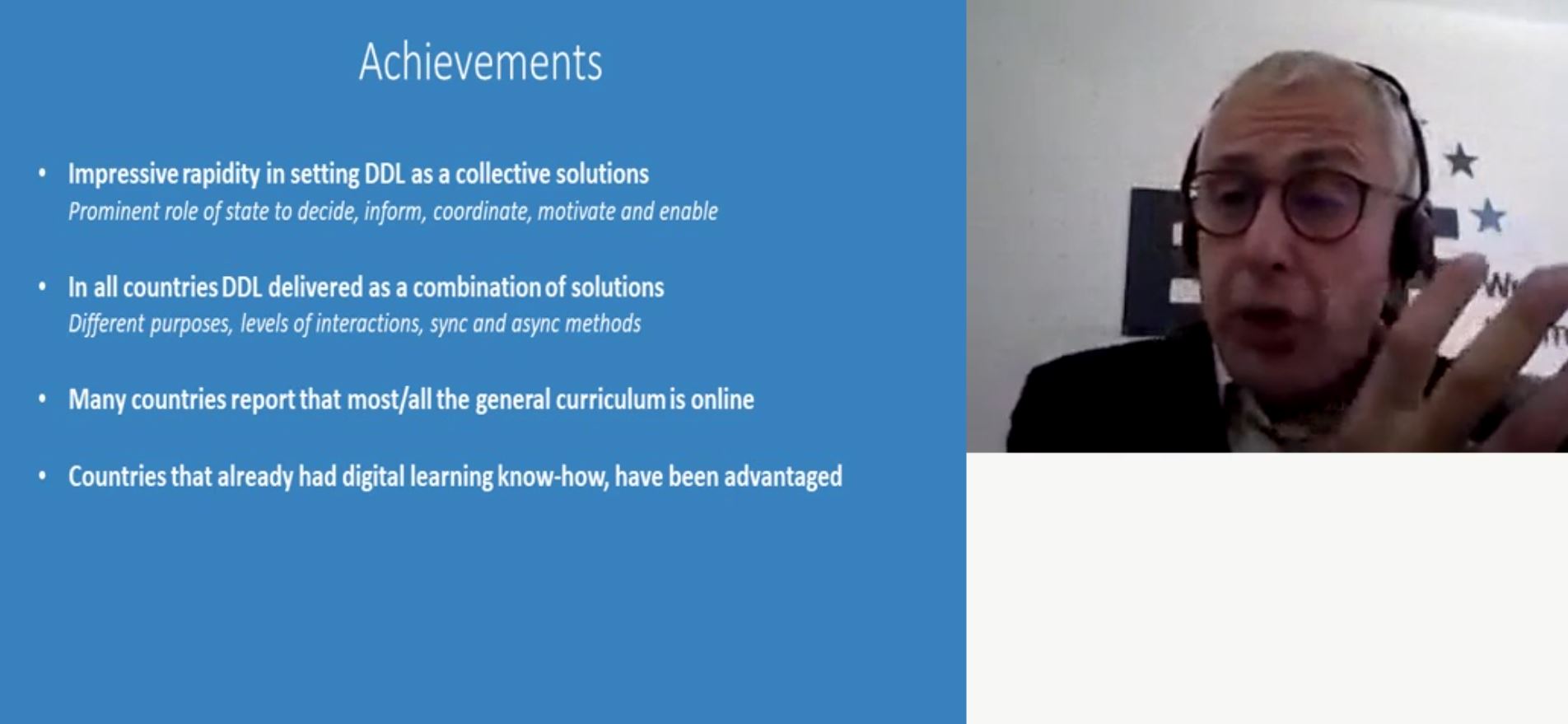
“Many countries report that most or all of the general curriculum is online. The same cannot be said for vocational education and training, unfortunately, but we could see that countries were making efforts”, said Alessandro Brolpito. “Of course, prior digital learning know-how put countries at an advantage, as is the case of Turkey.”
“From today, I take with me two words: needs analysis – the understanding of needs, in order to move forward”, Brolpito concluded. “I think it’s really important to consider a “new normal” where a blend of learning methods become the norm in schools. We have to move forward from a delivery of digital skills driven by providers, to the real needs – needs from the economies, and needs from teachers. But the crisis is a chance to learn, and there are opportunities to tackle a crisis much better through regional cooperation.”
* The full presentation from the webinar can be downloaded in 6 languages from the main event page.
Please log in or sign up to comment.