
Back to main finalists page
An interdisciplinary, nature-based learning practice where primary school children explore, create and connect with the natural world and each other
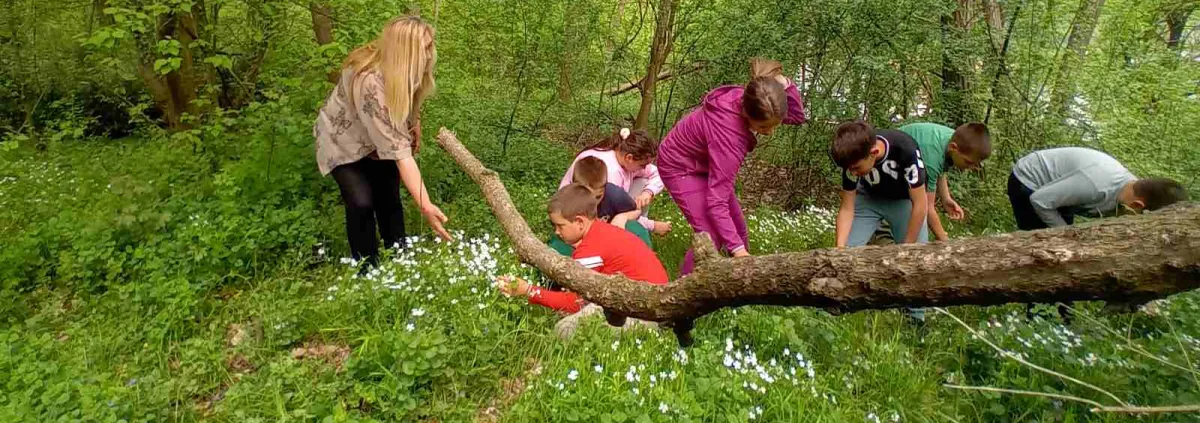
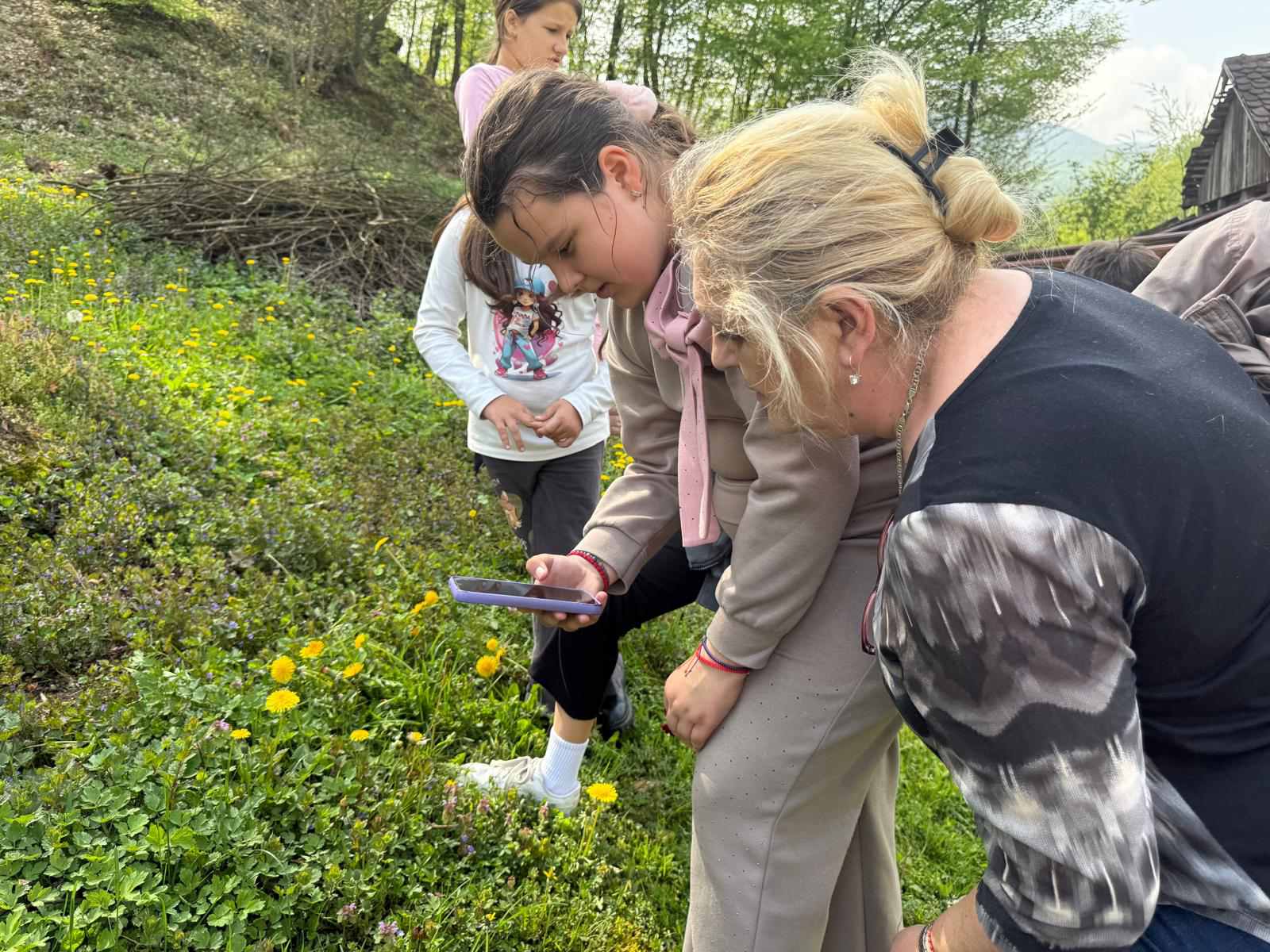
What if a science lesson began with a walk in the forest to pick elderflowers? What if mathematics meant measuring ingredients for handmade rose juice, and art meant designing the label for the bottle you just filled? In a small rural school in Banja Koviljača, Serbia, that is exactly how learning is being reimagined. Back to Nature is an interdisciplinary STREAM practice that takes children aged 7 to 10 out of their seats and into the world around them – identifying plants, researching traditional recipes, making natural juices, oils, teas and pesto, and selling their products at charity fairs to support their community.
So far, more than 60 children have benefitted from activities that weave science, technology, engineering, arts and mathematics into meaningful learning experiences. Learners develop their green, entrepreneurial and social competences while reconnecting with the natural world and the traditional knowledge that risks being lost.
“Learning in nature is fun. We make real products and learn together. I feel proud when we present what we created.” Leonora, student, Vera Blagojević elementary school

Read on to find out why this initiative was selected as one of the nine finalists of the New Learning Award 2026.
The project
Serbia’s rural schools face a persistent challenge. Many children arrive in classrooms disengaged from formal learning, while outside their windows the natural world goes largely unexplored. At the same time, the traditional understanding of nature that once passed from grandparents to grandchildren is fading, replaced by screens and online lives.
Back to Nature was created to address all of this at once. Developed by teacher Mirjana Mihok at elementary school Vera Blagojević in Banja Koviljača, the practice takes primary school children outdoors to explore their local environment, collect natural materials and connect what they find to every subject in their curriculum. A walk to pick wild flowers becomes a science lesson on plant classification. Designing a product label becomes an art and literacy lesson. Selling the finished juice at the Easter fair becomes an introduction to financial literacy, entrepreneurship and social responibility, donating the proceeds to local causes.
The teacher’s role shifts from instructor to facilitator, encouraging curiosity, ensuring safety and helping children reflect on what they’re learning and why it matters. Parents and other members of the community play an active role too, sharing traditional recipes and knowledge that bring the learning to life in ways no textbook can. The result is a learning experience that is cross-curricular, deeply rooted in the local community and long-lasting.
Why this practice stands out
The ETF and its partners have selected this initiative as one of the nine finalists for the New Learning Award 2026. Here is why this learning practice stands out:
- Learning that is alive – So far, more than 60 students have been able to engage with science, mathematics, arts, technology and entrepreneurship through real, hands-on experiences that make every subject feel relevant and exciting
- Diversity of future skills – From digital to entrepreneurial skills, to sustainability and life skills, this practice helps children reconnect with their heritage while developing future-ready key competences
- Inclusion and community at its core – Designed to work in a small rural school with children of all abilities, the practice brings together students, families and local community members around shared, meaningful activities
- Simple, replicable and ready to grow – Requiring no specialist equipment or expensive resources, this practice can be adapted by any primary school making it a transferable model for nature-based, interdisciplinary learning.
"This practice connects learning with real life, motivates students and build strong links between school, family and community through meaningful, hands-on experiences." Snežana Cvetinović, teacher, primary school
The future
Back to Nature began in one small rural school but its roots are already spreading. The ambition is to share the practice with more schools in rural areas, adapting activities for different age groups, and deepening partnerships with environmental and educational organisations. The practice has also been presented as part of the Let’s STREAM project of the Faculty of Education in Jagodina, supported by the US Embassy in Serbia.
New interdisciplinary activities are planned, integrating digital tools while keeping the hands-on, outdoor spirit that makes this practice so distinctive. Above all, the goal is to help children learn not just about the natural world, but from it.
VOTE FOR THIS PROJECT!
Your vote counts! Cast your vote for Back to Nature as an inspirational new learning practice.
- Back to: ETF New Learning Award 2026
ETF in partnership with

Please log in or sign up to comment.