
It is said that “ the Best Way to Predict the Future is to Create it” (Abraham Lincon) and that “As for the future, your task is not to foresee it, but to enable it”(Antoine de Saint Exupéry)
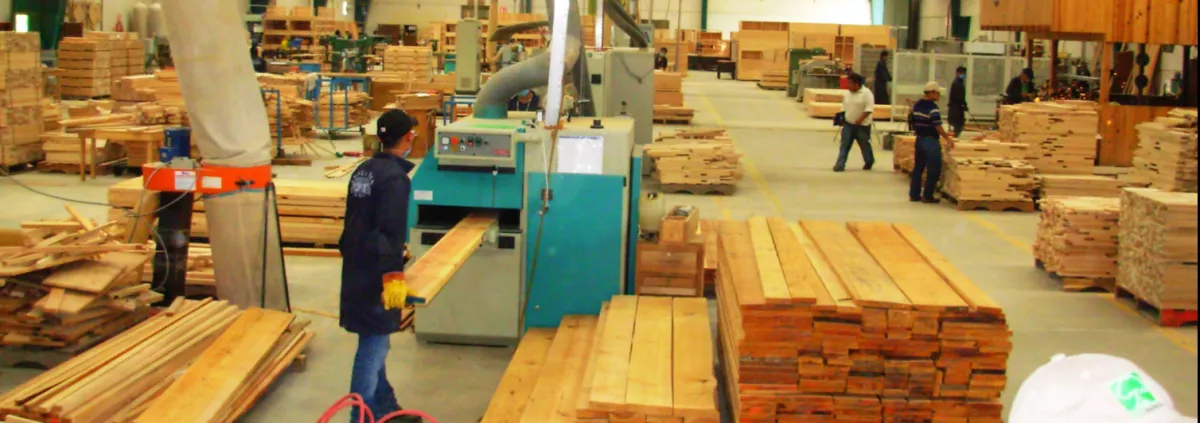
I think that what has been done in Rivne, with the Smart Specialisation project in the Woodworking and furniture manufacturing sectors is both predicting and building future, or at least enabling it by working on the conditions for its development and modernisation, and with them contributing to the regional economic development and citizen well being
Smart specialization is an important and growing policy area not just inside but beyond EU member states. In Ukraine, in 2020, with the State Strategy for Regional Development for 2021-2027, the Government set the conditions for the implementation of the smart specialisation approach , as the EU started to do in 2011. Ukraine, by adopting smart specialization at regional level, opens access to the participation in EU innovation programmes and respective funds, such as Horizon and COSME.
The findings of the testing in Ukraine will not only inform regional and national policies in Ukraine – but the lessons learnt will be broadly used to inform similar processes in other ETF partner countries who are only now starting their smart specialization journeys. The same way that other European regions with smart strategies in the woodworking and furniture manufacturing sectors have been peer learning with Rivne, the experience and strategies developed here could be supporting that of other regions.
In 2020 the ETF began testing the skills for smart specialization methodology in Rivne and Kharkiv – in collaboration with the Ministries of Education and of Economy. In Rivne the two sub-sectors, currently providing 5.9% of total employment in the region emerged as potential priority area for smart specialisation. Vocational education and training (VET) and skills development have been recognised as framework conditions for innovation ecosystems.
The ETF and the Region made an analysis ending with the mapping of the economic, innovation and scientific potential in the Rivne Region, based on the Smart Specialisation approach, included in Rivne Regional Development Strategy. In 2021 we have introduced two new elements to the methodology which will be applied in Rivne and Kharkiv regions: a foresight action and a peer learning partnership.
The meeting on 10-11 February 2021 started the foresight action. Now, on 2 June 2021 we conclude it with a validation and sharing of the findings of the four previous steps carried-out since February. Like this, evidence-based policy-making, consultation and participation, building and strengthening of networks of the different stakeholders (from employers to administrators, educator to experts in technology, trainees, workers, suppliers and clients) that can contribute to the creation of this envisaged future become a reality. Prediction and creation of the future, or at least enabling it to happen.
Please log in or sign up to comment.