

Here we are, only weeks away from 2020, and the jury is still out on whether the robots are coming for all our jobs or, on the contrary, automation will create even more, albeit different, jobs.
McKinsey already estimates that 45% of human activities can be automated with the help of artificial intelligence (AI) and robotics available. Not in 10 or 20 years, but right now.
Education experts and professionals participating at the European Training Foundation’s ‘Skills for the Future’ conference in November 2018 concurred: “We cannot tell the extent or pace at which machines will replace human workers or the degree of complementarity between labour and automation. […] In this context, it is increasingly important to be able to anticipate skills trends in order to develop, review and update labour market and skills strategies.”
The ETF proposes a collaborative approach to address these truly global needs. We work with the countries neighbouring the EU, our partner countries, helping them to develop their human capital, from facilitating access to vocational education and training to advising policy makers.
One example of such collaboration is the Torino Process– an ongoing international participatory process compiling an evidence-based analysis of different VET policies. Introduced in 2010 and carried out every two years, the Torino Process provides a biennial snapshot of the state of development of VET systems in the ETF partner countries. Recorded progress (or lack thereof) can guide future investments towards the countries’ real priorities.
Many EU Member States have an explicit focus on keeping up with change through lifelong learning and continuous development. One of these is Denmark, where we had a conversation with futurist Missona Aston about the megatrends she is observing, such as the rise in freelancing. This is a main trend that will change the future of work.
“The agenda is set by technology,” Missona Aston says, “not by people.”
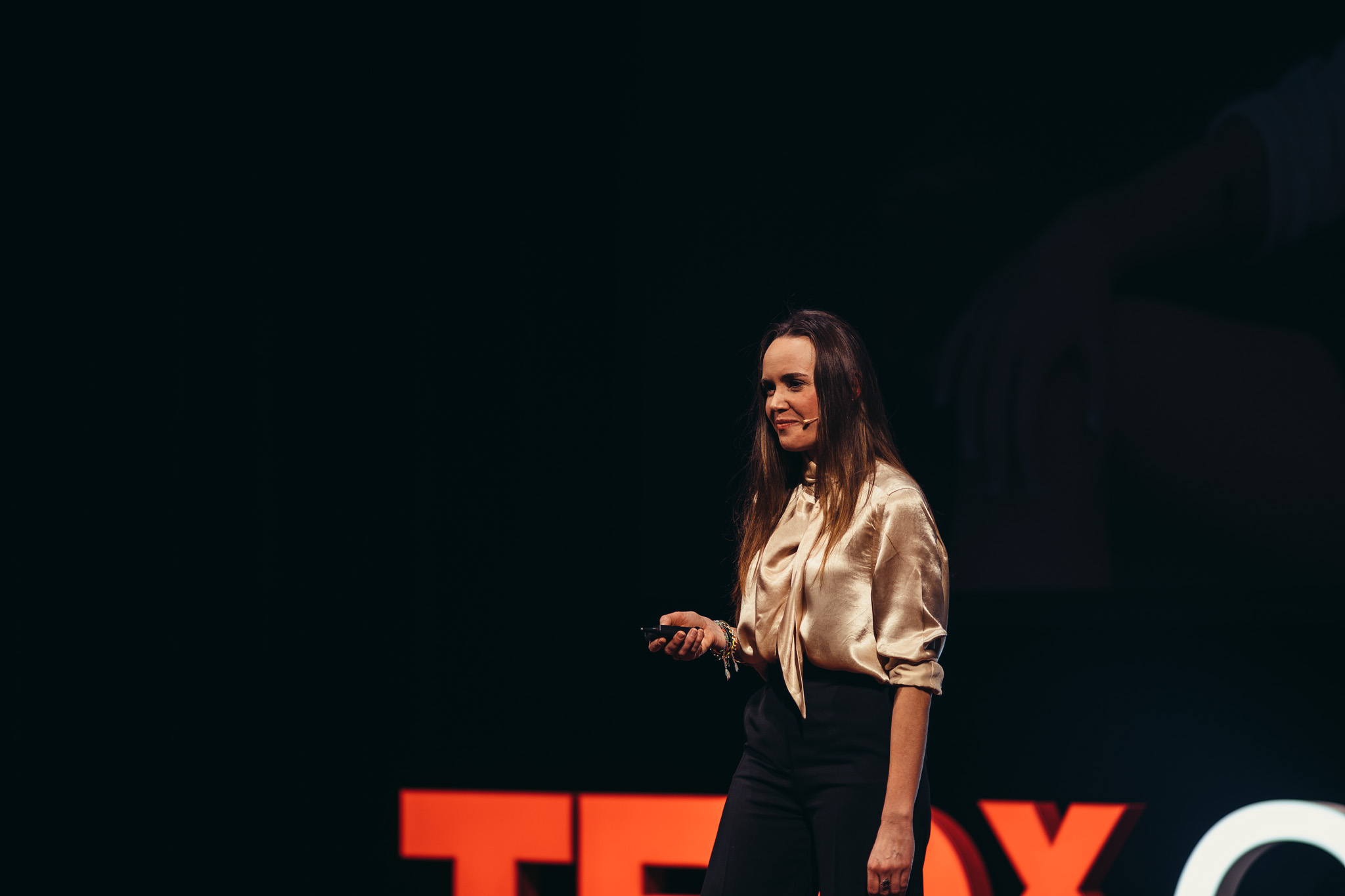
“Advanced automation and the use of AI are redefining our job titles as well as what we consider to be work. In this context, AI regulation needs to be global if it is to have the desired effect.”
Inc Magazine recently listed 21 examples of jobs we might get to see on the LinkedIn of the future. Some of the more remarkable included an ethical sourcing officer, who would make sure that companies actually follow through on their ethical promises, and a personal memory curator, who would manipulate the memories of the elderly in order to reduce stress. Or perhaps we’ll just dedicate ourselves to all the things we’ve always wanted to do but never got around to, such as self-actualization, community work and helping others.
Ms Aston mentioned a few ways in which Denmark is going beyond the classic mid-career re-skilling stories, adapting and reacting to all the issues posed by technology on a policy level. One of these is the Danish Disruption Council, which reinforces the Danish credo in social cohesion and promises “that no one in Denmark is left behind as we move forward into the future”. Another is The Copenhagen Catalogue, comprising 150 principles for ethical, human-friendly technology, written by 150 participants at Tech Festival 2018.There is also the new concept of TechPlomacy, as Denmark is the first country in the world to have a tech ambassador – a diplomat representing its interests not in a specific country, but in an entire global industry, with a physical presence in Copenhagen, Silicon Valley and Beijing.
“Between 1860 and 1930, the Nordics succeeded as industrialized democracies because they focused on upgrading people through education,” says Ms Aston. “Now we must do it again.“
This is the kind of upgrade needed not only by individual nations, but by everyone.
In June 2019, the International Labour Organization adopted the Centenary Declaration for the Future of Work, stating that “it is imperative to act with urgency to seize the opportunities and address the challenges to shape a fair, inclusive and secure future of work” by, among other means, “promoting the acquisition of skills, competencies and qualifications for all workers throughout their working lives as a joint responsibility of governments and social partners”.
The European Council adopted the Declaration on 24 October, showing EU commitment towards a human-centric approach to work, in resonance with the European Pillar of Social Rights.
And also here, the conclusions of the ETF Conference “Skills for the Future” were in perfect accord: “Investing in people is becoming more important than ever. Human capital is a central driver for sustainable economic growth and social well-being. Improving people’s competences is a key factor for adaptability and innovation”.
Much of the future is shrouded in mystery, but one thing everyone agrees on: change will be the new status quo. Such change will require tremendous adaptability and the will to constantly keep learning how to learn.
The challenge is that these are not attitudes that adult humans naturally seek out or even like. Our brains are programmed to take shortcuts – working on autopilot as much as possible and not having to think about every decision and every process. This also means we are naturally wired to dislike change.

It is certainly not the first time in human history that we have had to deal with change. But it is the first time we must do it so quickly. There’s no time to catch our breath. Our greatest challenge, therefore, is not awareness, but rather the pace at which we can change social systems and, not in the least, the effects such rapid and continuous change will have on our well-being.
On the latter, we are only just getting started.
Please log in or sign up to comment.