

The Torino Process in Eastern Partnership countries
During the fifth cycle of the Torino Process, special efforts were made to look beyond the education systems and consider vocation education and training (VET) in the context of lifelong learning and human capital development to support sustainable growth.
A two-day conference - originally scheduled to be held in Minsk, Belarus in March, but re-scheduled to mid-September as an online meeting for around 85 participants - provided an opportunity to review and discuss the findings of the national Torino Process reports in Armenia, Azerbaijan, Belarus, Georgia, Moldova and Ukraine. Observers from Central Asia also took part.
Setting out the context in which the 5th round of the Torino Process (2018-2020) was unfolding, the ETF's Aziz Jaouani, explained that the key aim was to eliminate regional differences, allowing for great cross-country and pan-regional cooperation.
"We made two profound changes to the Torino Process for this round:
- We have expanded the scope of the reports to cover human capital development more broadly, rather than just vocational education and training.
- We now publish ETF assessments. These are a new product of the ETF: an independent analytical country report that aims to take politics out of the equation and allows for reports that are more critical, coherent and comparable.
While the Torino Process is an important tool for policy development in the partner countries, it is also intended to support the European Commission in their programming and the knowledge base of the ETF as a centre of expertise."
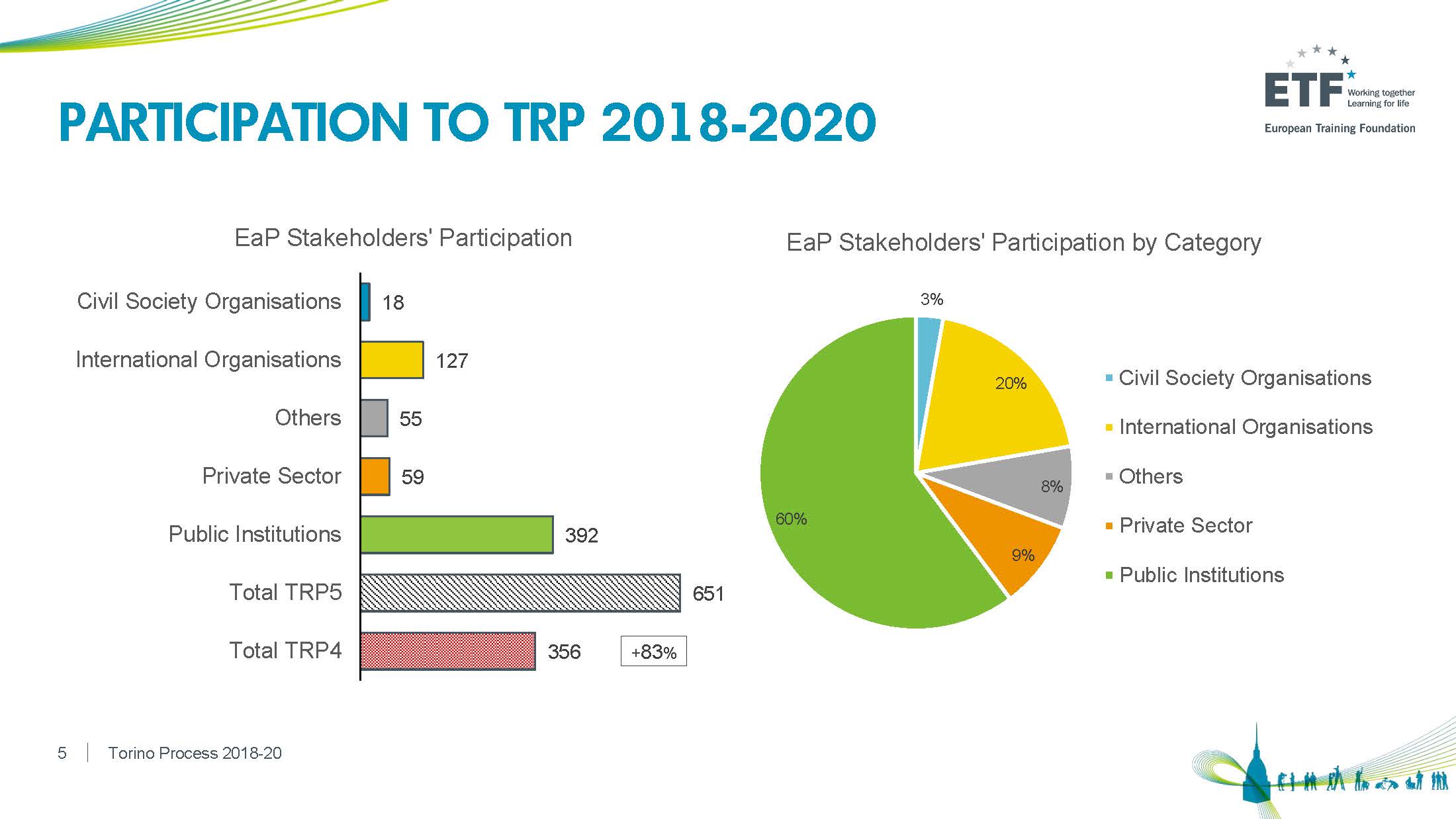
Participation in the process has increased by 83% compared with the previous round.
However, most of those involved (60%) were concentrated in public sector bodies and participation by the private sector and civil society across the EaP region remains at just 11%
In spite of their differences, the six countries of the Eastern Partnership face many common challenges and share a common legacy.
Mr. Jaouani marks three big developments in human capital development that stand out:
"While the individual country differences are huge, some issues really stand out everywhere.
One of these concerns demography. In most partner countries to the east of the EU, the speed of ageing of the population is faster even than in the EU. They are losing young people through emigration and have lower birth rates. In the countries of North Africa and the Middle East, demography also greatly affects human capital development but here the big issue is the large youth cohorts and, mainly Syrian, immigrants that put pressure on the labour market. The latter is, of course, a big issue in Turkey too.
The second thing we really note is that initial education is further and further behind the developments in technology and in the labour market. The crisis around Covid-19 is likely to exacerbate this more. It puts pressure on a host of other areas that need to compensate or fill voids: adult training, continuing training, the recognition of prior learning – all aspects of lifelong learning as a whole.
Finally, there is the issue of supply and demand, which is partly related to the previous. The transition from education to the labour market needs more attention and is indeed getting it. This is encouraging. We see different forms of work-based learning being developed in many countries."
These three points are summarised in the snapshot below, pinpointing the human capital challenges in EaP countries and three main areas of improvement:
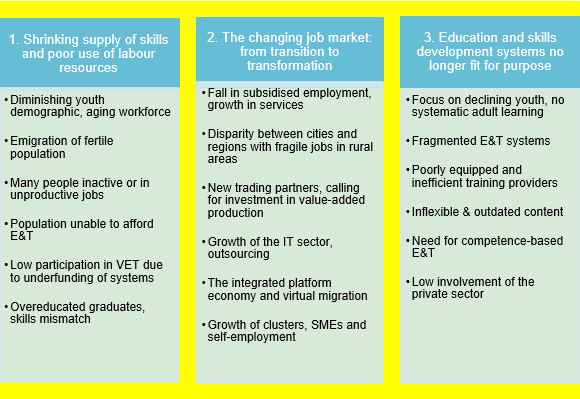
1. Shrinking supply of skills and poor use of labour resources
Four out of the six countries now have negative population growth, with falling birth rates exacerbated by migration. The labour force is already shrinking in five countries, and this trend is expected to begin in the remaining country: Azerbaijan.
Over the past five years (based on statistics for 2013/2014-2018/2019) students in VET and higher education have fallen by 25% in the region in absolute numbers.
Demography aside, the labour force is for a large part underutilised. Too many people are inactive, in vulnerable jobs or unemployed, while others are overqualified for the jobs they are performing.
The general trend is that labour is getting scarcer and the countries need to make better use of the human capital they have.
2. The changing job market: from transition to transformation
Job growth in services is faster for low-skilled jobs that do not generate much income than for higher-skilled jobs. In Moldova, more jobs were created without resulting in growth.
The most promising development so far seems to be the growth of the ICT sector and online platform work, where some countries in the region are global leaders and earnings are often much higher than in other sectors. Online platform work can offer an alternative to migration.
3. Education, training and skills development services no longer fit for purpose
Across the region, there is a mismatch between the education and training offer and skills demands. Initial VET in most of the countries was traditionally focused on training blue-collar workers, but jobs in industry are constantly decreasing. There are few opportunities for lifelong learning.
Each of the countries now has a limited number of newly equipped Centres of Excellence. Mergers and network optimisation has started slowly but is not keeping up with the drop in students. The status and quality of teachers and trainers is cause for concern. Although countries are moving towards competence-based flexible and individualised learning, this is still in the early stages.
Adults have been integrated into VET in Belarus and Georgia, but the numbers are still low. As a result, year after year, fewer skilled workers come onto the labour market. Vacancies are often filled by higher education graduates that are being trained on-the-job.
"In the Torino Process now we are focusing reports much more on the need for reforms," said Cesare Onestini, ETF director, in opening remarks at the Eastern Partnership conference. "As a contribution to this we have developed EFT expert opinion assessments of reform proposals."
Priorities for Action
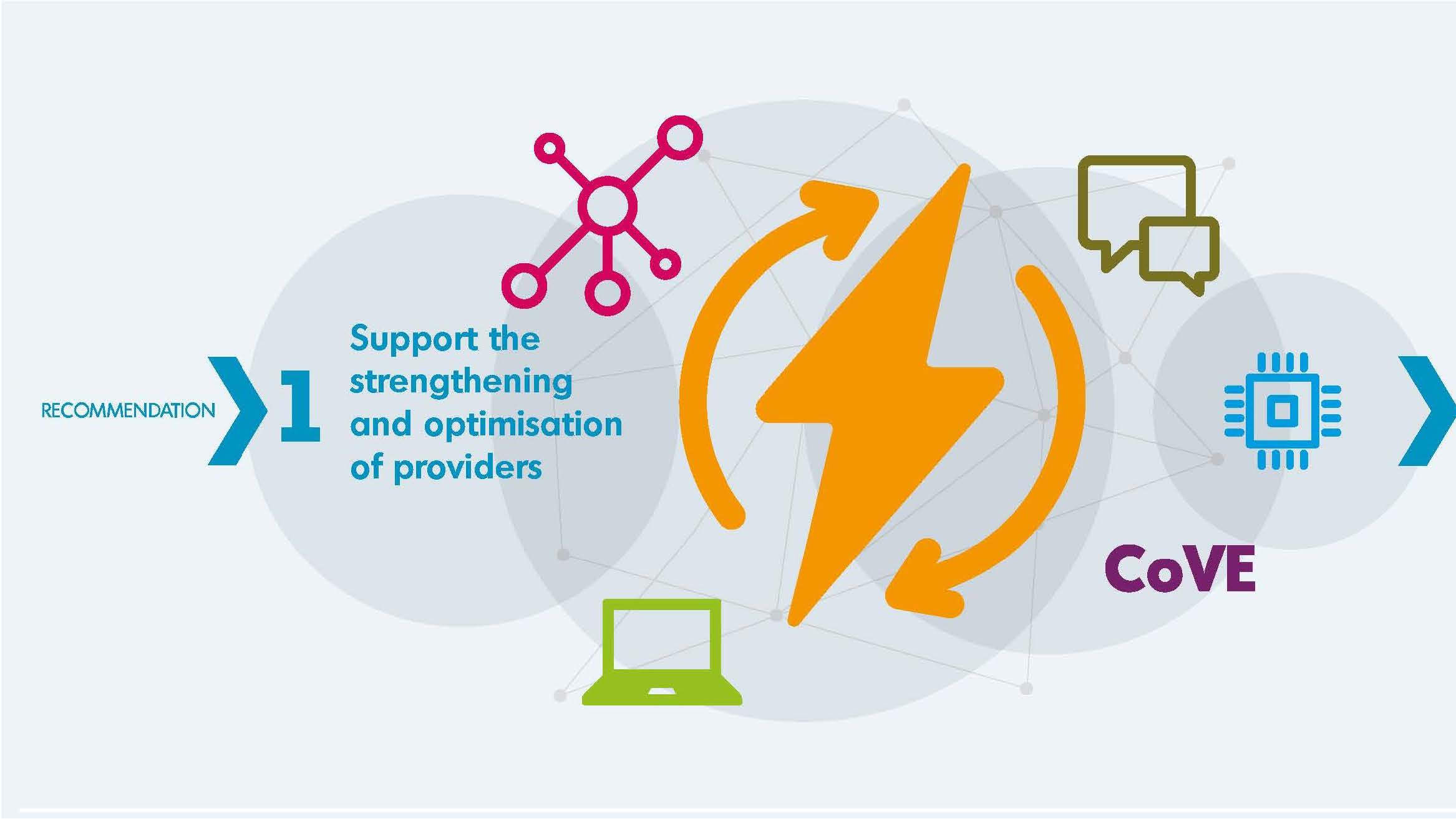
1. Support the strengthening and optimisation of providers
All countries are in the process of establishing Centres of Vocational Excellence that address the needs of different groups of learners at different levels, and should be networked with other providers. In order to address the local and/or sectoral development needs providers are pooling resources and forming networks, with different types of providers and with industries, integrating R&D with regional development.
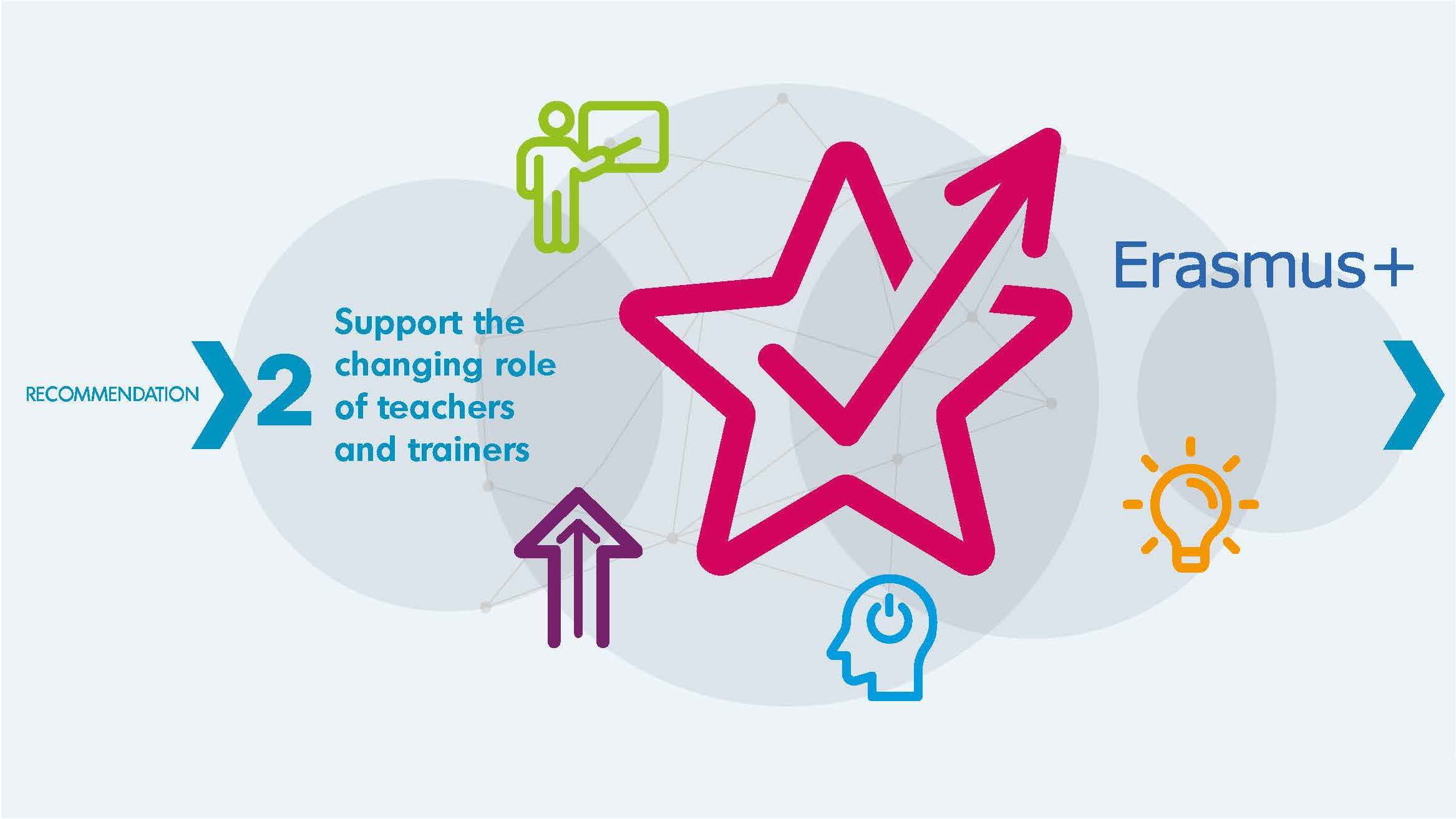
2. Support the changing role of teachers and trainers
We plead for a more structured regional cooperation initiative in this area, which could have more focus on defining new standards for teachers reflecting the new roles and addressing pre-service and in-service teacher-training systems and aspects that address the status and motivation of teachers. Special attention could be paid to structural introduction of digital and online learning and adult learning, and the development of key competences by teachers.
3. Increase the stake of the private sector in lifelong learning
The private sector is encouraged to participate in cooperation bodies at a national, sectoral or regional level when the decision-making processes are clear and simple, including the legal systems, regulatory frameworks and other mechanisms. There is a need for more intensive work with actors from the private sector in the countries to explore how their capacities to contribute to lifelong learning could be strengthened. This could have a strong empirical approach based on exchanging best practices in the countries and exploring how these could be replicated successfully.
4. Monitor and support increased capacities and opportunities for lifelong learning
In order to effectively support the transformation from VET to lifelong learning systems, we need a better understanding of the lifelong learning opportunities in the countries, within and beyond the education and training systems. We therefore propose to start with a Human Capital Development Review that will help to map provision, capacities, needs and demand, and funding for lifelong learning, considering formal, non-formal and informal learning.
"We need now to focus on developing competence, rather than knowledge reproduction; we want students to be able to act, to deal with situations they have not faced during their training," said Arjen Deij, the ETF's senior specialist on qualifications, during the Eastern Partnership conference.
"We also need to focus on young and older people and the needs of companies," he added. "This means that tailored provision requires much stronger vocational education and training providers that can act and adapt programmes to the needs of learners and companies, [for example] to short programmes for adults."
More Eastern Partnership Conference Highlights:
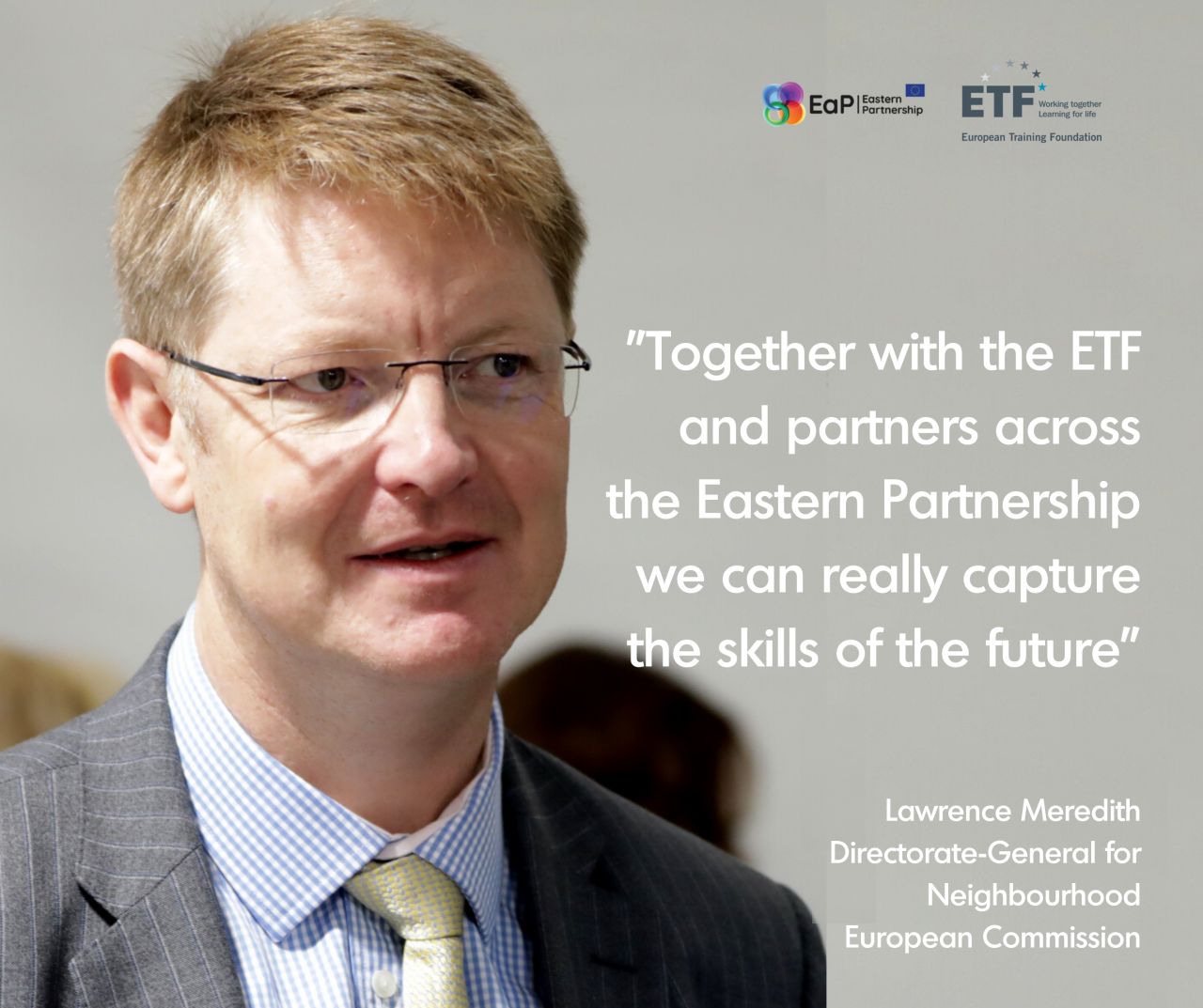
Speaking during a panel discussion in the conference, Lawrence Meredith, deputy DG NEAR for the Eastern Partnership, said tailoring education and training to the needs of the economy must be done within the context of retaining strong values on social including, the rule of law, and battling corruption.
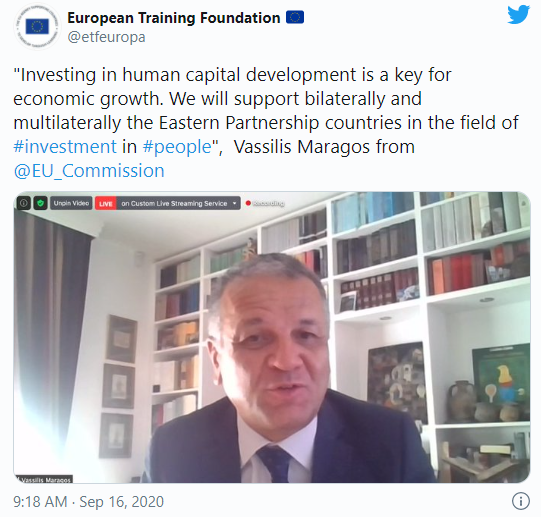
Vassilis Maragos, EC Head of Unit, DG NEAR, pledged continued EU support for the region, stating:
"The EU is next to you as a key partner, but the main tasks ahead are with the national stakeholders and governments. The Torino Process is driven by evidence-based analysis, which we need so we can make very concrete recommendations to partner countries to see how they can address key challenges."
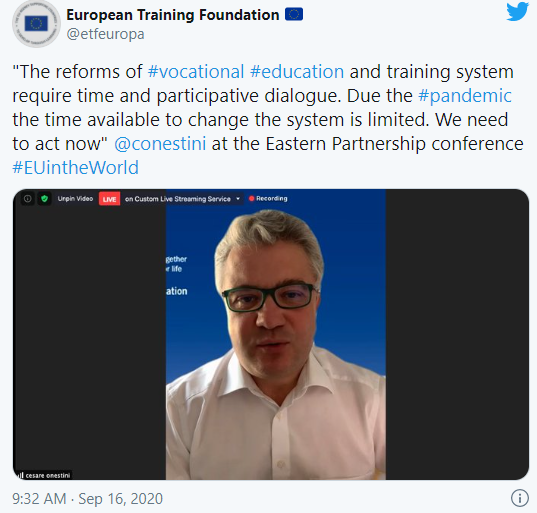
In concluding remarks, Cesare Onestini said it was also essential to "look at the frontline, the providers, the teachers and trainers. We need to invest in them and given the autonomy to deal with the challenges, and ensure they have the support they need in terms of structure and qualifications frameworks."
Please log in or sign up to comment.